Water extraction
Water Extraction in Palm Harbor, FL
Heavy rain, a split supply hose or a tank that let go can leave water across an entire floor. Extraction pulls that water out first, so drying starts on surfaces that are ready for it.
(888) 621-2041Start pulling the water out- Standing water out
- Carpet and pad lifted
- Walls checked for wicking
- Best forStanding water on floors
- ToolsExtractors and pumps
- SurfacesCarpet, tile, subfloor
- Hands off toStructural drying
Right now
First steps for water extraction and removal
- 1
Stop the source
Shut the supply valve or stop the rain entry if that is safe, and keep power off in any wet room until an electrician clears it.
- 2
Move what can move
Lift small furniture, rugs and electronics onto dry surfaces. Foil or plastic under heavy legs keeps stains from setting into wet carpet.
- 3
Open the room
Pull curtains back, open closet doors and leave cabinet toe kicks reachable so the crew can find water hiding behind them.
- 4
Document before cleanup
Photograph the water line, damaged items and the source with a phone. Dated images help an insurer follow the claim.
The process
How water extraction and removal is handled, step by step
- 1
Assess and protect
The crew checks the source, tests whether the water is clean, gray or contaminated, and covers or moves contents before heavy equipment goes in.
- 2
Extract the water
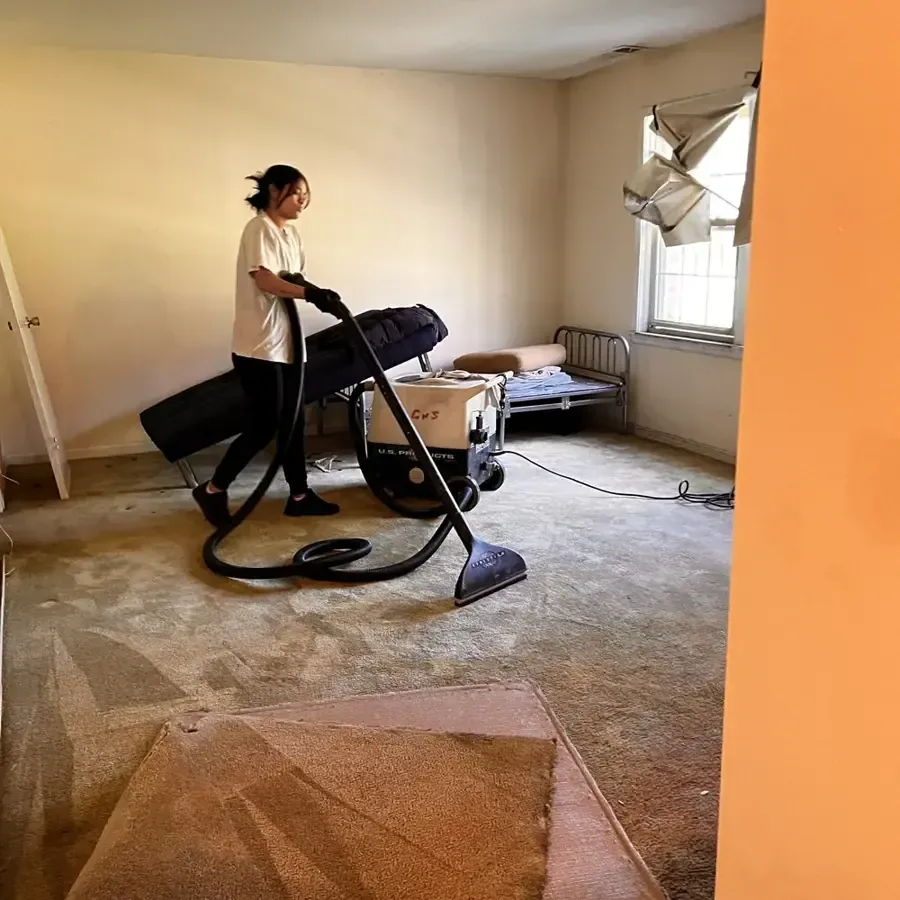
Truck mount or portable extractors pull water from carpet and hard floors, while pumps clear deeper pooling that a wand cannot reach.
- 3
Check hidden layers
Meters and a thermal camera trace water into baseboards, wall bottoms and cabinet bases, so wet areas are opened rather than guessed at.
- 4
Hand off to drying
Wet pad is removed where needed, floors are left ready, and the drying plan sets dehumidifiers and air movers for the remaining moisture.
Typical cost ranges
What does water extraction and removal cost in Palm Harbor, FL?
Extraction usually runs from $400 to $1,000 for one room and climbs as water reaches more floor area or turns contaminated. A written estimate after the first moisture reading shows the real figure.
Small spill, one room
$400 to $1,000
- One room of water
- Portable extractor
- Quick meter check
Several rooms, carpet
$1,000 to $2,200
- Carpet and pad lifted
- Wand and pump work
- Wall base readings
Whole floor or Category 3
$2,200 to $3,500+
- Truck mount setup
- Protective gear used
- Disposal of wet material
What moves the number
- How deep the water stands
- Carpet, pad or hard floor underneath
- Whether the water is clean or contaminated
- How many rooms the water reached
Run your own numbers with the water damage cost calculator. These are typical ranges for the trade, not a quote.
Extraction is the first real job on almost every water loss. Water that sits on a floor keeps moving into pad, baseboards and the base of drywall, and fans cannot dry a surface that is still under water. In Palm Harbor, where about a third of the census area is water, standing water after heavy rain is a familiar problem.
What the crew pulls out first
The crew starts with the largest volume and works toward the corners.
- Pooled water on tile, vinyl and sealed concrete
- Water trapped inside carpet and pad
- Water standing in closets and under furniture
- Water that ran beneath cabinet toe kicks
- Water gathered at thresholds and low corners
Why the first pass matters
A thorough extraction pass decides how much of the house has to be torn out later. Carpet lifted while the water is still clean can usually be cleaned and reset, and a subfloor pulled dry early rarely needs replacing. Waiting lets moisture wick up drywall and into door casings. Technicians trace that wicking with a meter, mark the wet edge and set it as the drying target. Furniture, rugs and boxes on the floor are lifted out of the water so they stop absorbing it, and wet items are sorted into those that can be dried and those that cannot.
Pumps and truck mounts
Shallow water comes out with portable extractors. Deeper water in a garage or low room goes first to submersible pumps, then to the extractor for the film left behind. Large jobs use a truck mount outside, with hoses run through a doorway, so heavy water leaves without being carried through the house. Hoses are laid on protected floors, and doors are blocked open to keep them from pinching. Contaminated water follows different rules, covered under sewage backup cleanup.
Service area
Water extraction and removal across Palm Harbor and nearby communities
Water extraction reaches homes across the 34682, 34683, 34684 and 34685 ZIP codes of Palm Harbor, from older streets in Ozona and Crystal Beach to condos around Highland Lakes.
The same service nearby: water extraction and removal in Holiday, East Lake, Beacon Square.
Water damage restoration in Palm Harbor · every community covered
Related
Related water damage services nearby
Questions
Water Extraction and Removal questions
How soon should water be removed after a leak?
As soon as it is safe to enter the room. Water spreads into pad, baseboards and drywall steadily, so early extraction limits how much has to be torn out afterward.
Can carpet be saved after extraction?
Often, when the water was clean and extraction began early. The pad is usually replaced while the carpet is lifted, dried and reset. Contaminated water changes that answer.
Why does standing water matter here after heavy rain?
About a third of the Palm Harbor census area is water, bordering St. Joseph's Sound and Lake Tarpon, so rain and runoff are an ordinary concern for homeowners. Pumping and extraction handle that water first.
Is a household wet vac enough?
A wet vac handles a small spill. Anything wider needs extractors, because a wet vac leaves moisture in the pad and subfloor, where it keeps spreading.
What happens after the standing water is gone?
Dehumidifiers and air movers dry the structure. Read about structural drying to see how readings are tracked until walls and subfloors return to normal.
Does extraction cover wet walls and baseboards?
Extraction handles water on floors. Technicians then check walls with meters, and baseboards or lower drywall that stay wet are opened so the cavity can dry.
Will insurance cover extraction?
Many policies cover sudden water events, but coverage depends on the cause and the policy wording. Photos, a moisture log and the invoice give an adjuster what is needed.
24/7 emergency water removal
Get the floor clear before it spreads
The longer water sits, the more material has to come out. Call and describe the room, and the crew will explain how extraction would start.