Emergency extraction crew
Water Extraction and Removal in Beacon Square, FL
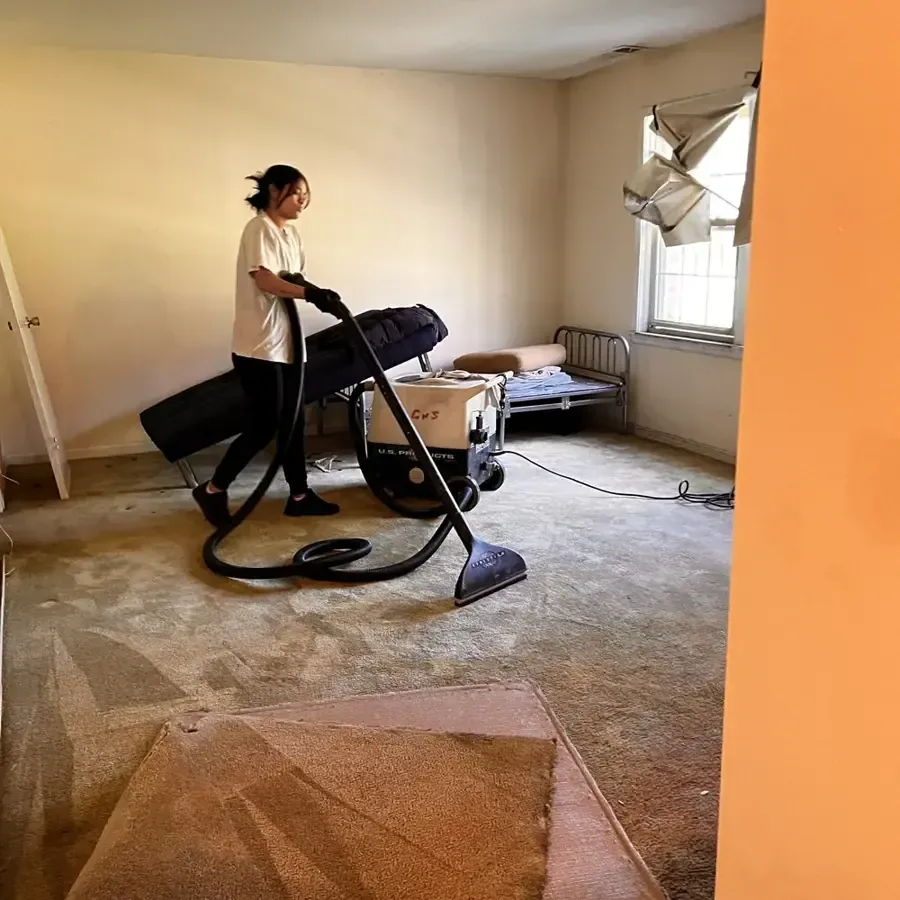
Standing water soaks into drywall, padding and subfloors quickly. Pumps and extraction wands pull it out of condos and houses so drying can start on materials that are still worth saving.
(888) 621-2041Get water pumped out- Pumps and wands
- Condo and home jobs
- Moisture mapped
- Water typesClean to sewage
- MethodPumps and wands
- Best timingAs early as possible
- RecordsPhotos and readings
Right now
First steps for water extraction and removal
- 1
Call and describe
Say what is wet, where the water came from and whether it is clean, gray or sewage. That decides the equipment sent.
- 2
Water is mapped
Meters and a thermal camera trace the wet area on floors and walls, so extraction covers more than what is visible.
- 3
Water is pulled out
Pumps handle deep water and wands work carpet, tile and wood until the surface and padding stop giving up water.
- 4
Drying takes over
Ruined padding comes out, equipment goes in and the job moves to the drying plan with readings recorded for the insurer.
The process
How water extraction and removal is handled, step by step
- 1
Inspect and plan
The crew checks the source, tests the water category and walks the affected rooms with a moisture meter before choosing pumps, extractors or hand tools.
- 2
Remove the water
Deep water goes first with pumps, then extractors and wands work the floors. Carpet padding that cannot be saved is cut out so it stops wicking moisture.
- 3
Protect the contents
Furniture and belongings are lifted onto blocks or moved to a dry room, and anything affected by sewage is set aside separately.
- 4
Hand off to drying
Final meter passes confirm what extraction left behind, then the drying plan is set and the readings and photos are filed for the claim.
Typical cost ranges
What does water extraction and removal cost in Beacon Square, FL?
Extraction usually runs from $400 to $3,500 or more, depending on how many rooms are wet and whether the water is clean or contaminated. A walkthrough on site sets the exact figure for the job.
Small spill, one room
$400 to $1,000
- One room affected
- Wet vacuum and wand work
- Short drying run
Several rooms, carpet
$1,000 to $2,200
- Padding lifted and removed
- Extractor passes on carpet
- Meters check each room
Whole floor or Category 3
$2,200 to $3,500+
- Deep or contaminated water
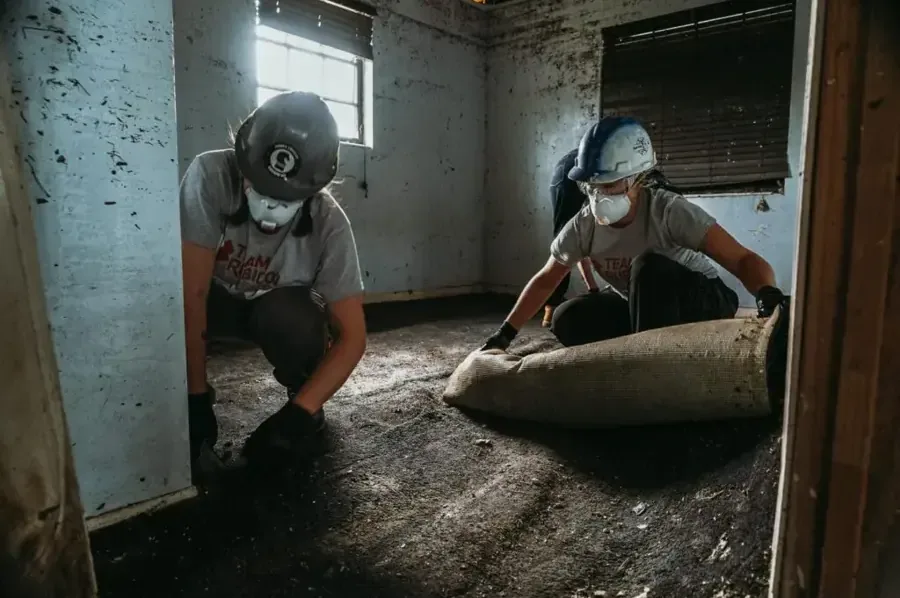
- Protective gear used
- Materials cut out and removed
What moves the number
- Depth and spread of the standing water
- Category of water and contamination level
- Carpet, padding and flooring types involved
- Whether neighbors or shared walls are affected
Run your own numbers with the water damage cost calculator. These are typical ranges for the trade, not a quote.
Water that stays in a room does damage in layers. It wets the surface first, then wicks into baseboards, drywall and the subfloor below. Extraction is the step that stops that spread, which is why it comes before any drying equipment goes in. In a condo, the same water can also travel toward a neighboring unit.
What extraction removes
The crew matches the tool to the water and the surface underneath.
- Standing water on tile, vinyl and sealed concrete
- Water held in carpet and padding
- Pooled water in low spots and doorways
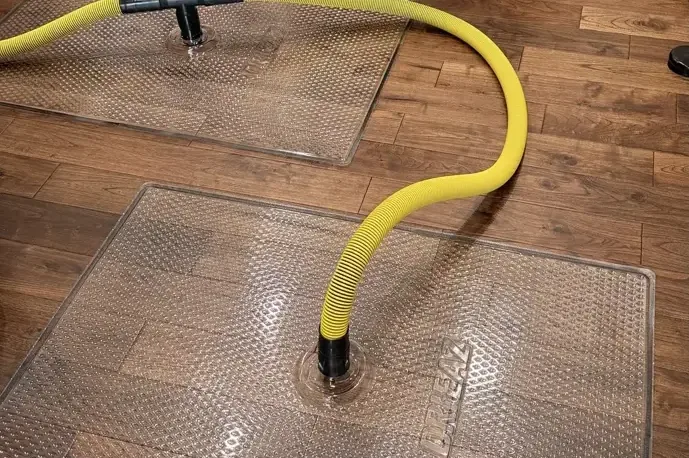
- Moisture lifted from wood and laminate planks
- Water trapped behind cabinet kick plates
Why timing matters here
The Gardens of Beacon Square evacuations after Hurricane Helene in September 2024 show how long unremoved water can keep residents out of their homes. Even a small leak behaves the same way on a smaller scale: the longer water sits, the more materials it ruins and the longer the repair takes. Quick removal keeps a manageable loss from becoming a gutted room. That is the reason extraction is treated as the first priority on every job.
What happens after the water is out
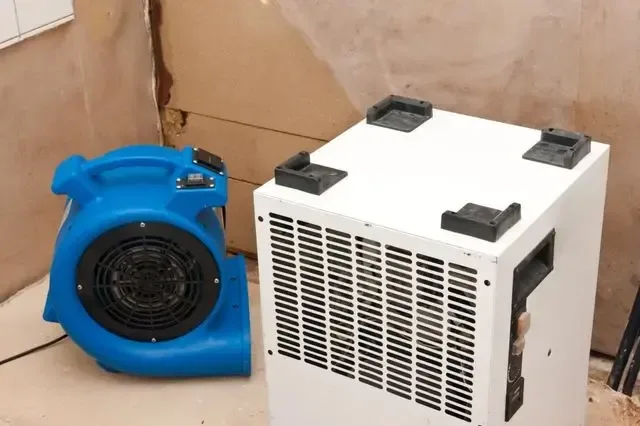
Once standing water is gone, meters and a thermal camera show where moisture is still hiding. Wet padding and ruined drywall come out, the structure is dried with air movers and dehumidifiers, and the readings are saved. Related work like structural drying and floor and carpet water damage follows from there. Nothing is left wet behind a wall because the surface looks dry.
Condos and houses differ
A house usually means one owner and one policy. A condo can involve a unit owner, the association and the neighbors, so photographs and readings for every affected surface protect each party and keep the claim clear.
Service area
Water extraction and removal across Beacon Square and nearby communities
Extraction crews cover the condominium communities and single family streets of Beacon Square on the west side of U.S. Highway 19 in Holiday, ZIP code 34691, Pasco County, at any hour.
The same service nearby: water extraction and removal in Holiday, Elfers, Trinity.
Water damage restoration in Beacon Square · every community covered
Related
Related water damage services nearby
 Structural Drying and Dehumidification in Beacon SquareOpen the page
 Floor and Carpet Water Damage in Beacon SquareOpen the page
 Storm Surge and Flood Cleanup in Beacon SquareOpen the page
Water Extraction and Removal in HolidayOpen the page
Every water damage service for this communityOpen the page
Storm Surge and Flood Cleanup in Beacon SquareOpen the page
Water Extraction and Removal in HolidayOpen the page
Every water damage service for this communityOpen the page Questions
Water Extraction and Removal questions
When should water extraction start?
As soon as it is safe, because water moves from the surface into padding, baseboards and subfloors the longer it sits. Calling right away keeps the loss smaller, and the crew can stage pumps and extractors once the source is stopped.
Can carpet be saved after extraction?
Often yes when the water is clean and removal starts early, since carpet can be extracted and dried in place. Padding is usually replaced, and carpet touched by sewage or floodwater is normally discarded for health reasons.
What is the difference between extraction and drying?
Extraction removes liquid water with pumps and wands. Drying uses air movers and dehumidifiers to pull moisture out of materials that still feel damp. Both are needed, and extraction always comes first because it removes most of the water.
Is extraction different in a condo unit?
The method is the same, but the risk is wider. Water can pass into neighboring units, so the crew checks shared walls and ceilings, documents everything and keeps the association informed when that is appropriate.
Is floodwater handled like a pipe leak?
No. Floodwater from a storm or surge counts as Category 3, so it carries contamination. Crews wear protective gear, remove porous materials that soaked it up and sanitize before drying begins.
What should be photographed before extraction?
Take wide shots of each room, close shots of the waterline on walls and furniture, and the source of the leak if it is visible. Dated photos help the adjuster and cost nothing to take before the pumps start.
24/7 emergency water removal
Get the standing water out before it spreads
Describe what is wet and where it started, and a crew will plan the pumps, extractors and drying that fit the room.