Drying equipment crew
Structural Drying and Dehumidification in Beacon Square
Extraction removes the water you can see. Structural drying removes the water you cannot, held inside walls, subfloors and framing. Shared walls and delayed repairs in local condos make careful drying much more important, with readings to prove it.
(888) 621-2041Plan the equipment setup- Air movers and dehumidifiers
- Repeat moisture readings
- Dry standard confirmed
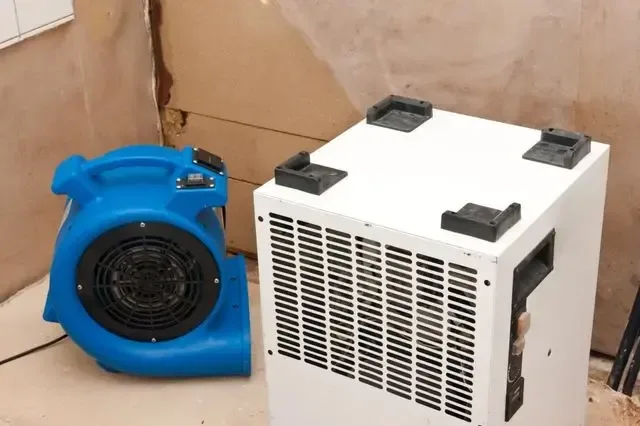
- EquipmentAir movers, dehumidifiers
- MethodReadings drive the plan
- TargetsWalls, floors, framing
- StandardIICRC S500
Right now
First steps for structural drying and dehumidification
- 1
Report the wet areas
List every room and wall that was wet, even if it now feels dry, and mention how long it stayed wet.
- 2
Meters map moisture
Readings on walls, floors and framing set a dry goal and show where equipment should be placed.
- 3
Equipment runs
Air movers and dehumidifiers run continuously with doors and windows closed so humidity stays in the drying zone.
- 4
Readings decide removal
Equipment is adjusted at each visit and removed when every material reaches the dry goal, and the final readings are filed.
The process
How structural drying and dehumidification is handled, step by step
- 1
Measure and classify
Meters and a thermal camera map the wet materials, the crew classifies the loss and sets a dry goal using readings from unaffected areas.
- 2
Place the equipment
Air movers are aimed along walls and under floors, dehumidifiers are sized to the room and the drying zone is closed off from the rest of the home.
- 3
Monitor and adjust
At each visit the crew rereads moisture, moves equipment and opens cavities that are not responding until the numbers fall.
- 4
Verify and release
Equipment leaves once every material reaches its goal, and the final readings are handed over for the owner and adjuster.
Typical cost ranges
What does structural drying and dehumidification cost in Beacon Square, FL?
Structural drying commonly runs $1,000 to $8,000 or more, depending on the drying class, the number of rooms and how long equipment must run. Class 4 and large losses reach the top of that range.
Class 1 to 2, one area
$1,000 to $2,500
- One area of readings
- A few air movers placed
- Short equipment run
Class 3, several rooms
$2,500 to $5,000
- Several rooms mapped
- Dehumidifiers added to the zone
- Wall cavities dried
Class 4 or large loss
$5,000 to $8,000+
- Dense materials dried more slowly
- Specialty drying equipment
- Repeated readings logged
What moves the number
- Drying class and material density
- Number of rooms and wall cavities wet
- How long equipment must keep running
- Whether neighboring units share the walls
Run your own numbers with the water damage cost calculator. These are typical ranges for the trade, not a quote.
Structural drying is the science of moving moisture out of building materials. Air movers push dry air across wet surfaces, dehumidifiers pull the moisture out of the air, and meters track the result. The aim is a dry reading in every material, not just a surface that feels dry.
Drying classes in plain terms
The IICRC S500 standard groups losses by how much water materials absorbed. Class 1 and 2 losses involve limited to moderate absorption, Class 3 involves water from above and Class 4 covers dense materials that hold deep moisture. The class sets the amount of equipment.
Why condos dry differently
Condo walls, floors and ceilings are shared, so wet materials may sit between two homes. Drying one unit while the neighbor stays wet can send moisture back. After Hurricane Helene in September 2024, displaced residents of Gardens of Beacon Square were still waiting to return a year later, a reminder of how long repairs can take.
What the equipment does
- Air movers push dry air across surfaces and into cavities
- Dehumidifiers remove water vapor from the room
- Moisture meters show which materials are still wet
- Thermal cameras reveal wet areas behind finished surfaces
When the equipment comes out
Equipment is removed only when readings match a dry reference, not on a set number of days. The final numbers go into the job record for the owner and insurer. Dehumidifiers also protect finished materials nearby from absorbing the humidity released during drying. For the steps before drying, see water extraction, and for floors specifically see floor and carpet water damage.
Service area
Structural drying and dehumidification across Beacon Square and nearby communities
Drying crews cover Beacon Square condominium buildings and single family homes in Holiday, ZIP code 34691, in Pasco County, with attention to shared walls between units and long repair waits.
The same service nearby: structural drying and dehumidification in Holiday, Elfers, Trinity.
Water damage restoration in Beacon Square · every community covered
Related
Related water damage services nearby
Questions
Structural Drying and Dehumidification questions
How is structural drying different from extraction?
Extraction removes liquid water. Structural drying removes moisture held inside materials, using air movers and dehumidifiers, and it continues until meter readings confirm that walls, floors and framing are dry.
Why do the doors and windows stay closed?
Dehumidifiers work best in a closed space. Outside air brings humidity back in and slows drying. The crew keeps the drying zone sealed and adjusts the equipment at each visit.
How long will the equipment run?
It runs until the readings reach the dry goal, which depends on the materials, the class of the loss and how long they were wet. Dense subfloors and wall cavities usually take longer than carpet.
Are the machines loud, and do they raise the power bill?
Air movers and dehumidifiers make steady noise and use electricity while they run. The crew sets only the equipment the readings justify, and removes it as soon as the numbers allow.
Why does a condo need extra attention?
Walls and ceilings are shared, so moisture can sit between homes. Checking neighboring surfaces and keeping the association informed prevents one unit from drying while moisture returns from another.
Can drying be skipped if the surface feels dry?
No. Surfaces dry first while the framing, insulation and subfloor stay wet, and trapped moisture can swell wood and damage finishes. Meters, not touch, decide whether materials are dry.
24/7 emergency water removal
Dry the walls and floors for real
Describe which rooms were wet and for how long, and a crew will plan the equipment, the monitoring visits and the dry readings that close the job.