Dry walls and framing
Structural Drying and Dehumidification in Trinity, FL
After water reaches walls and subfloors in a home, drying the structure prevents lasting damage, using air movers and dehumidifiers sized to the room and checked with moisture meters at every visit throughout the drying period.
(888) 621-2041Walls and floors still damp?- Air movers and dehumidifiers
- Daily moisture logs
- Thermal imaging
- Material classes1 to 4
- EquipmentAir movers, dehumidifiers
- Checked byMeters, thermal camera
- Dry standardIICRC S500
Right now
First steps for structural drying and dehumidification
- 1
Stop the water
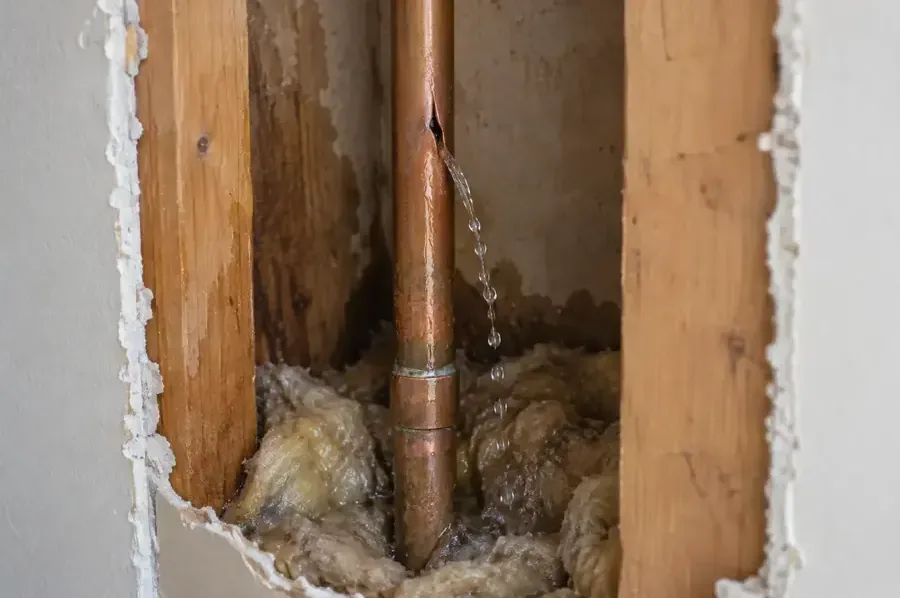
Shut off the source and have standing water removed, since drying equipment cannot work through pooled water.
- 2
Leave equipment running
Once placed, keep air movers and dehumidifiers on and the doors and windows closed as directed.
- 3
Do not move the gear
Equipment is positioned from moisture maps, so moving it can leave wet pockets.
- 4
Call for a drying plan
Share the water source and wet rooms so the crew can size the equipment to the loss.
The process
How structural drying and dehumidification is handled, step by step
- 1
Map the moisture
A meter and thermal camera outline wet walls, subfloors and ceilings, and the class of the loss is set and the loss class is recorded.
- 2
Set the equipment
Air movers and dehumidifiers are placed to match room size, material and water category to suit each room and material.
- 3
Check each visit
Readings are taken, logged and compared with the dry goal, and equipment is repositioned as the wet areas shrink.
- 4
Remove and report
Equipment comes out once materials test dry, and the logs and photos go to the owner once every reading meets the target.
Typical cost ranges
What does structural drying and dehumidification cost in Trinity, FL?
Structural drying in Trinity usually costs $1,000 to $8,000 or more, depending on the class of the loss, how many rooms are wet and how many days the equipment runs.
Class 1 to 2, one area
$1,000 to $2,500
- Limited equipment
- Daily readings
- Single room
Class 3, several rooms
$2,500 to $5,000
- Ceilings and walls wet
- More dehumidifiers
- Wall cavities dried
Class 4 or large loss
$5,000 to $8,000+
- Dense materials wet
- Desiccant units
- Longer monitoring
What moves the number
- Class of the water loss
- Number of rooms and wall height wet
- Days the equipment must run
- Water category at the source
Run your own numbers with the water damage cost calculator. These are typical ranges for the trade, not a quote.
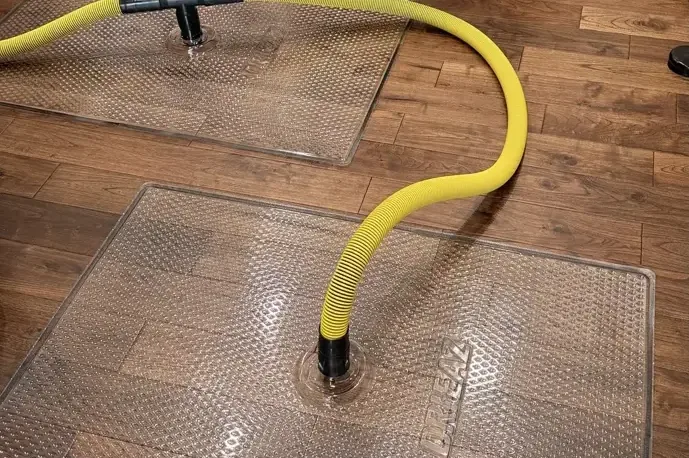
Removing standing water is only the first half of a water loss. The rest of the water soaks into drywall, wood framing, subfloors and insulation, where it evaporates slowly. Structural drying controls that evaporation, so the building dries evenly and fully before anything is rebuilt.
How drying equipment works together
Each tool does a different job:
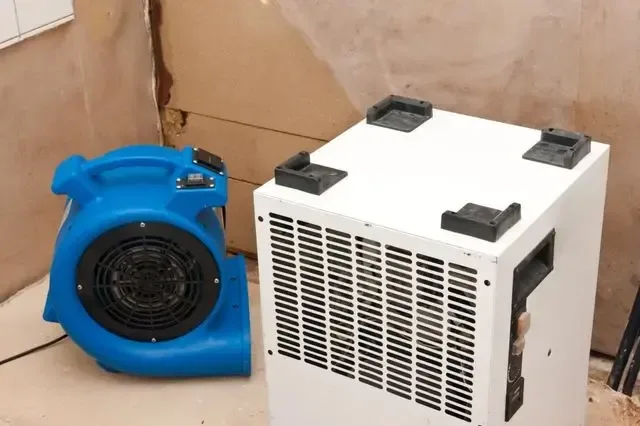
- Air movers push dry air across wet surfaces
- LGR dehumidifiers pull moisture out of the air
- Desiccant units handle dense materials and low temperatures
- Moisture meters and thermal cameras track progress
Why the water class matters
The S500 standard groups materials by how much water they hold. Class 1 or 2 losses affect part of a room, while Class 3 involves ceilings, walls and insulation, and Class 4 involves dense materials such as hardwood, plaster or concrete that dry slowly. The class decides how much equipment is used and how many days it runs.
Readings decide when drying ends
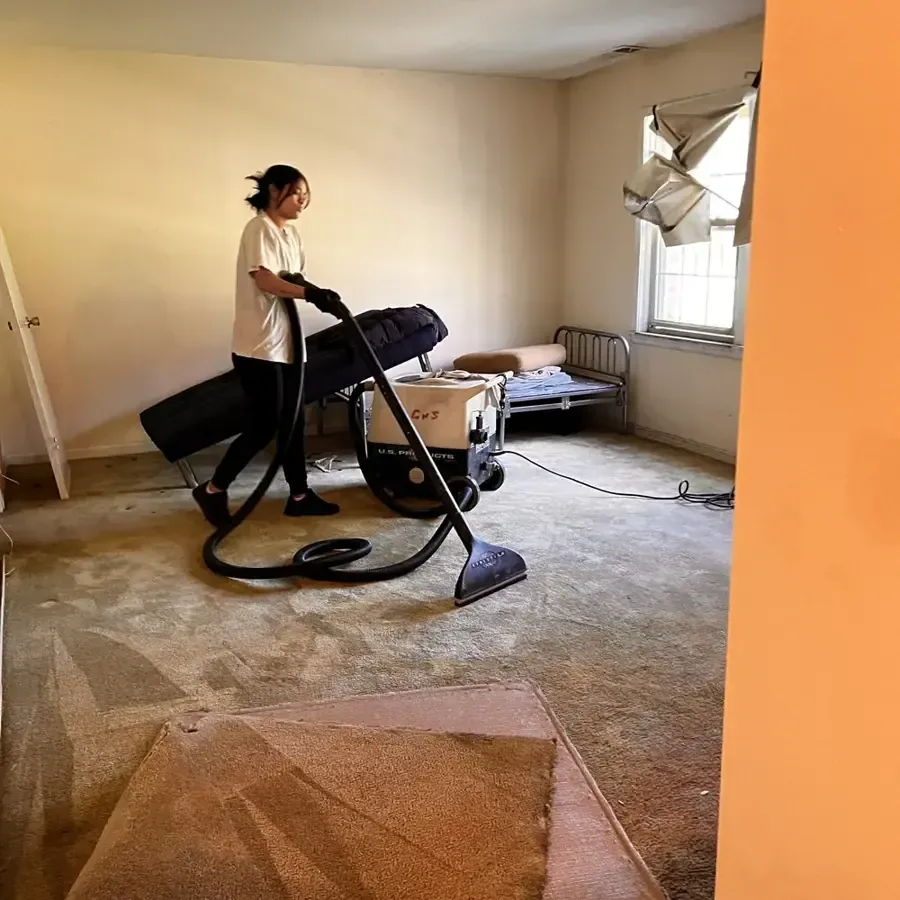
Drying is finished when meters confirm that materials match a dry standard, not when a set number of days has passed. Daily logs, photos and equipment records go into the claim file. The same process follows any water extraction job, and the details for wet flooring appear under floor and carpet water damage. Homeowners can support the process by keeping doors to wet rooms closed, leaving thermostats where the crew sets them and calling if equipment stops, since a single unit that shuts off can leave wet pockets behind and extend the job.
Service area
Structural drying and dehumidification across Trinity and nearby communities
Drying crews serve Trinity homes, apartments and shops, from Wyndtree and Champions Club to Heritage Springs and Foxwood, with dispatch open any hour across ZIP code 34655.
The same service nearby: structural drying and dehumidification in Holiday, East Lake, Elfers.
Water damage restoration in Trinity · every community covered
Related
Related water damage services nearby
Questions
Structural Drying and Dehumidification questions
How long does structural drying take?
It depends on the materials and the class of the loss. Daily readings decide when it is finished, not a fixed number of days.
Why is drying equipment so loud?
Air movers and dehumidifiers run continuously to keep evaporation moving, and the noise stops as soon as the equipment is removed.
Will the house feel warm and dry?
Dehumidifiers add some heat and drop humidity, so rooms feel warmer and drier than usual while equipment runs.
Is the equipment safe to leave on at night?
Yes. It is built for continuous use, and technicians check cords and circuits when it is placed.
Can the walls stay closed during drying?
Sometimes. Small holes and vents let air reach wall cavities, though soaked insulation and drywall still get removed.
What happens after drying?
Once readings meet the dry goal, the equipment is removed and rebuilding can begin with a record to support the claim.
How is mold prevented?
Fast, even drying removes the lingering moisture mold needs, and readings are repeated until framing and drywall return to normal levels.
24/7 emergency water removal
Walls or floors still wet? Get the structure fully dried.
The crew maps the moisture, sizes the equipment to the loss and keeps drying until the readings reach the IICRC S500 goal.