Drying the building itself
Structural Drying and Dehumidification in Holiday, FL
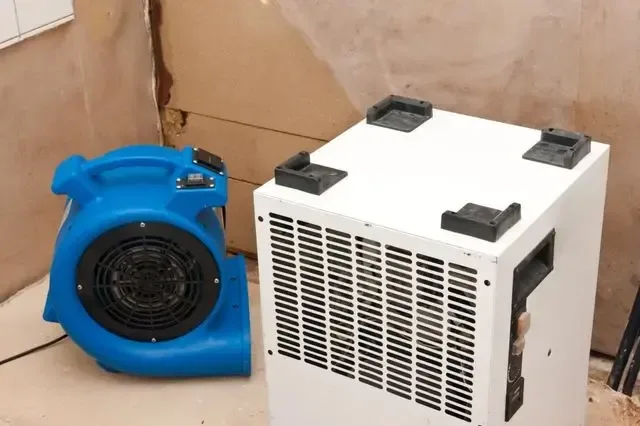
Structural drying in Holiday means drying the framing, drywall, block walls and slab, not just the surface. The drying team maps moisture, sets equipment to the class of the loss and logs readings until the building reaches the IICRC S500 goal.
(888) 621-2041Walls still damp inside?- IICRC S500 drying goal
- LGR and desiccant units
- Daily moisture logs
- StandardIICRC S500
- Drying goal2 to 4 points of dry reference
- Key equipmentLGR and desiccant units
- RecordsDaily psychrometric logs
Right now
First steps for structural drying and dehumidification
- 1
Stop the water source
Close the valve or the main, or wait for the storm to pass, so drying is not fighting new water.
- 2
Keep the house closed
Close windows and doors; humid outdoor air slows drying, especially in the summer months.
- 3
Run the AC if safe
If the system is not wet or damaged, keep the air conditioning on to help pull humidity down.
- 4
Leave equipment running
Once drying starts, leave air movers and dehumidifiers on and in place between daily readings.
The process
How structural drying and dehumidification is handled, step by step
- 1
Map and set a reference
The tech who does the walkthrough maps wet materials with thermal imaging and meters and picks a dry reference of the same material.
- 2
Size the equipment
The drying team sets air movers by wet wall and floor area and dehumidifiers by the room's volume and the class of the loss.
- 3
Read daily, adjust daily
Readings and psychrometric logs are taken every day, and equipment is moved toward the materials that are drying slowest.
- 4
Prove the goal
Equipment comes out only when every wet material sits within 2 to 4 points of the dry reference, documented for the claim.
Typical cost ranges
What does structural drying and dehumidification cost in Holiday, FL?
Structural drying in Holiday typically runs $1,000 to $8,000, priced mostly by equipment days. The class of the loss, the square footage and dense materials such as block and slab set the price.
Class 1 to 2, one area
$1,000 to $2,500
- Air movers and one LGR unit
- Three to four days
- Daily readings
Class 3, several rooms
$2,500 to $5,000
- Multiple dehumidifiers
- Wall cavity drying
- Psychrometric logs
Class 4 or large loss
$5,000 to $8,000+
- Desiccant drying
- Slab and block drying
- Full claim file
What moves the number
- Class of the loss: 1 to 4
- Square footage and number of rooms
- Dense materials: wood, block, slab
- Days of equipment needed to reach the goal
Run your own numbers with the water damage cost calculator. These are typical ranges for the trade, not a quote.
Surface drying makes a room look finished; structural drying makes it actually dry. Water soaks into wall cavities, the bottom plates of the framing, concrete block and the slab, and those materials keep releasing moisture for days. In Holiday, where outdoor air is humid most of the year, the structure has to be dried inside a closed house with dehumidifiers doing the work.
What the IICRC S500 drying goal means
IICRC S500 is the industry standard for water damage restoration. Instead of guessing, the drying team compares readings in wet materials with a dry reference material of the same kind in the same building. Equipment stays until wet materials sit within 2 to 4 points of that reference.
- Class 1: little water absorbed, part of a room
- Class 2: a whole room, carpet and lower walls wet
- Class 3: walls, ceilings and insulation soaked
- Class 4: dense materials such as wood, block and slab concrete
Drying equipment and Gulf coast humidity
Air movers move moist air off wet surfaces, and dehumidifiers pull that moisture out of the room. Low-grain refrigerant (LGR) units work in most rooms; desiccant units handle Class 4 materials and very wet slabs. During the June to September rainy season the house stays closed so humid outdoor air does not undo the work. The same daily-reading discipline applies from Key Vista and Baillies Bluff to Forest Hills and Colonial Hills. The science of indoor humidity is explained by EPA indoor air quality, and storm preparation by ready.gov.
Records that back up the claim in Holiday
Daily psychrometric logs, moisture maps and equipment counts show the adjuster why each day of drying was needed. Estimate typical drying days with the drying time estimator.
Service area
Structural drying and dehumidification across Holiday and nearby communities
Coverage runs across ZIP codes 34690, 34691 and 34692, from Aloha Gardens and Colonial Hills to Key Vista, Baillies Bluff and the Gulf access points at Anclote River Park and Gulf Park.
Nearby coverage reaches Tarpon Springs, New Port Richey, Trinity, Elfers, Palm Harbor, East Lake and Port Richey.
Every neighborhood and ZIP code coveredRelated
Related water damage services nearby

Questions
Structural Drying and Dehumidification questions
What is structural drying?
Drying the building materials themselves, framing, drywall, block and slab, to a measured goal, not just drying the surfaces until they look dry.
How long does structural drying take?
A contained Class 1 or 2 loss usually dries in three to five days. Class 4 materials such as slab and wood floors can take a week or more.
Why keep the windows closed during structural drying?
Outdoor air on the Gulf coast is humid. Opening windows lets moisture back in, so dehumidifiers dry the air faster in a closed house.
What is an LGR dehumidifier?
A low-grain refrigerant dehumidifier pulls more water out of the air than a household unit, even at lower humidity, which is what drying needs.
How do I know my walls are really dry?
Meter readings against a dry reference. Wet materials should sit within 2 to 4 points of the reference before walls are closed or painted.
Can I turn off the drying equipment at night?
No. Structural drying depends on steady airflow and dehumidification. Switching equipment off lets humidity climb and slows the whole job.
Why is structural drying documented every day in Holiday?
Daily readings show the adjuster the drying progress and justify each equipment day, and they prove the structure met the goal.
24/7 emergency water removal
Water damage drying stalled? Get it to the S500 goal.
The drying team maps moisture, sizes equipment to the class of the loss and logs readings daily until it is dry.