Wind-driven rain and storm water
Hurricane and Storm Water Damage in Holiday, FL
A Gulf storm pushes rain sideways through roofs, windows, sliding doors and soffits. The response team extracts the water, opens wet ceilings and walls and dries the house to the IICRC S500 goal once the storm passes.
(888) 621-2041Rain came in sideways? Call- Storm-season dispatch
- Ceiling and wall drying
- Claim photos first

- Water category1 to 2, rain water
- Common entryRoof, sliders, soffits
- Key equipmentLGR dehumidifier, air movers
- Claim fileStorm photos and readings
Right now
First steps for hurricane and storm water damage
- 1
Wait for the storm to pass
Stay inside until the wind drops and officials say it is safe, then check rooms from the top floor down.
- 2
Catch the water
Set buckets under drips, move furniture away from leaking windows and lay towels at sliding door tracks.
- 3
Tarp what you safely can
Cover broken windows from inside if it is safe; leave roof tarping to crews with fall protection.
- 4
Document everything
Photograph ceiling stains, wet walls, broken openings and damaged belongings before any cleanup starts.
The process
How hurricane and storm water damage is handled, step by step
- 1
Walk and map
The tech who does the walkthrough traces every entry point and maps wet ceilings, walls and floors with thermal imaging and meters.
- 2
Extract and open
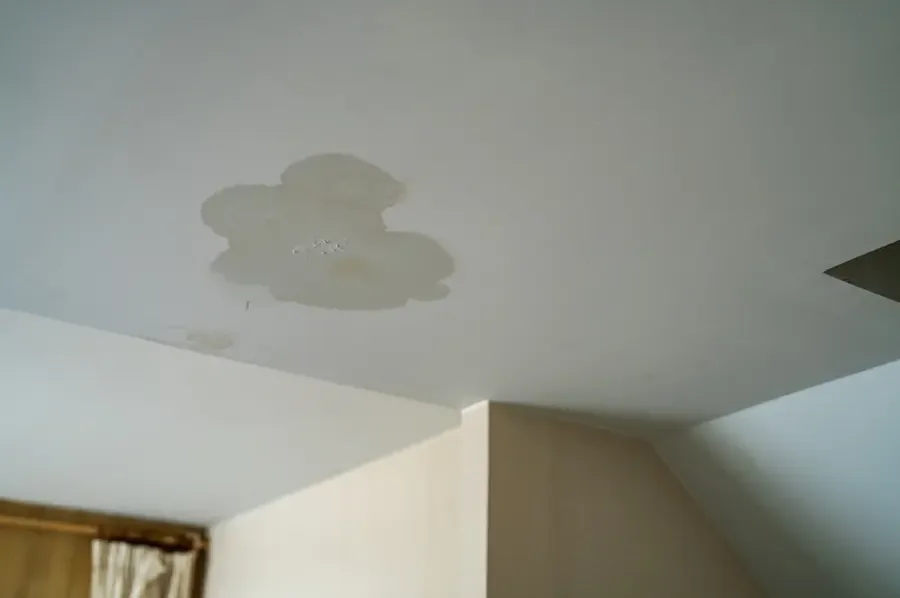
The extraction crew pulls standing water, and wet attic insulation and sagging ceiling drywall come down before they fall.
- 3
Dry a closed house
The drying team keeps doors and windows shut and runs LGR dehumidifiers, because post-storm outdoor air is too humid to help.
- 4
Log until dry
Readings are taken daily and photos are filed, so the storm claim shows the damage, the work and the dry result.
Typical cost ranges
What does hurricane and storm water damage cost in Holiday, FL?
Hurricane and storm water damage in Holiday typically runs $2,000 to $15,000 to dry and restore, before roof or window repair. Soaked ceilings, attic insulation and the number of rooms reached decide most of the cost.
One opening, one room
$2,000 to $4,500
- Water at a slider or window
- Wall bottoms dried
- Daily readings
Ceiling and attic wet
$4,500 to $9,000
- Insulation removed
- Ceiling drywall opened
- LGR dehumidifiers
Several rooms soaked
$9,000 to $15,000+
- Walls and ceilings opened
- Extended drying
- Full storm claim file
What moves the number
- How many rooms and ceilings the rain reached
- Wet attic insulation and drywall to remove
- Power availability for equipment
- Days between the storm and the start of drying
Run your own numbers with the water damage cost calculator. These are typical ranges for the trade, not a quote.
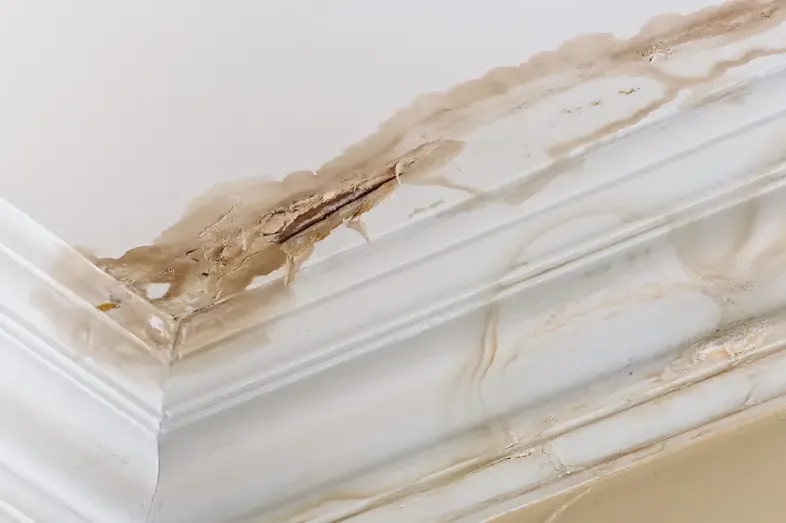
A hurricane does not need to flood a street in Holiday to soak a house. Wind pushes rain under shingles, through soffit vents and around windows and sliding glass doors, and the water runs down inside the walls. This page covers that rain water; rising water from the Gulf or a river is a different job, covered under storm surge and flood cleanup.
Hurricane Helene and the Pasco County coast
When Hurricane Helene came ashore on September 26, 2024, it brought historic storm surge to the Gulf coast, and the Pasco County Sheriff's Office rescued around 200 people in water emergencies. Homes near the Gulf of Mexico and Key Vista Park took surge, while homes further from the water dealt with wind-driven rain through roofs and openings. Both kinds of damage follow every major storm along this coast.
Where storm rain gets into Holiday homes
- Lifted or missing shingles and torn underlayment
- Soffit and ridge vents that let rain blow into the attic
- Sliding glass door tracks that overflow in driving rain
- Window frames and stucco cracks along exposed walls
- Garage doors on the windward side
Drying a Holiday house after a storm
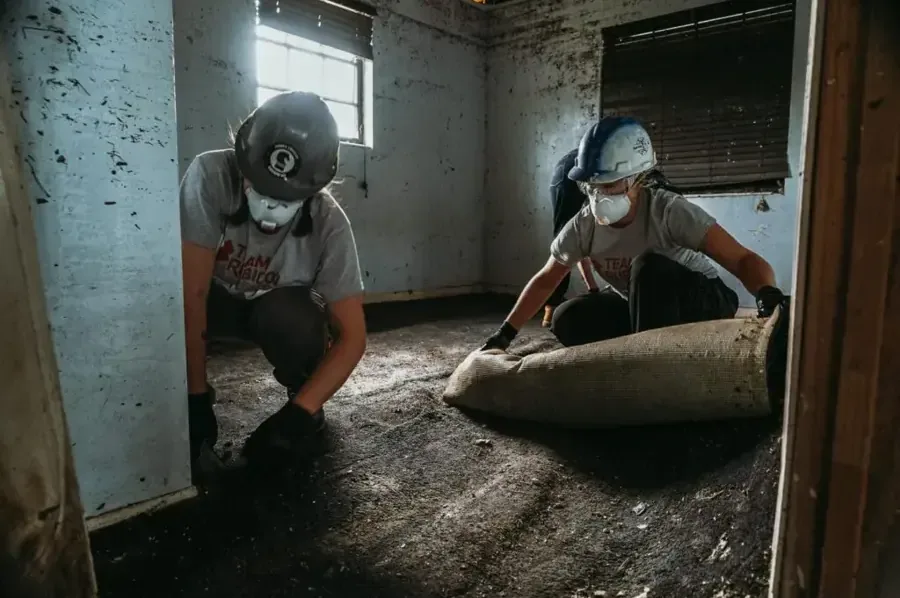
After a big storm, power may be out and outdoor air is saturated. The drying team keeps the house closed, runs LGR dehumidifiers on generator or restored power and removes wet attic insulation that will not dry. Ceilings are opened where water pools above the drywall. Storm planning checklists are on ready.gov, and forecasts come from the National Hurricane Center. Homes from Baillies Bluff to Forest Hills get the same order of work: stop the water, document, extract, dry.
Service area
Hurricane and storm water damage across Holiday and nearby communities
Coverage runs across ZIP codes 34690, 34691 and 34692, from Aloha Gardens and Colonial Hills to Key Vista, Baillies Bluff and the Gulf access points at Anclote River Park and Gulf Park.
Nearby coverage reaches Tarpon Springs, New Port Richey, Trinity, Elfers, Palm Harbor, East Lake and Port Richey.
Every neighborhood and ZIP code coveredRelated
Related water damage services nearby
Questions
Hurricane and Storm Water Damage questions
Is hurricane rain damage different from flood damage?
Yes. Rain driven through a roof or window is usually treated as storm damage, while rising surge or floodwater falls under flood coverage. The drying work and the claim are different too.
How soon after a hurricane does drying need to start in Holiday?
As soon as it is safe. Wet drywall and insulation can start growing mold within 24 to 48 hours, and storm humidity speeds that up.
Does wet attic insulation have to be removed?
Usually. Blown and batt insulation hold water against the ceiling drywall and dry poorly, so soaked insulation comes out and is replaced after drying.
Can drying start before the roof is repaired?
Yes, once the roof is tarped or the rain has stopped. Drying should not wait for permanent roof work, or the damage spreads.
What should hurricane storm water photos show?
Every entry point, ceiling stains, wet walls and floors, and damaged belongings, taken before cleanup. Wide shots and close-ups both help the adjuster.
What if power is out after the storm?
Crews can run equipment on generators where it is safe. Meanwhile, open cabinet doors and remove wet rugs to limit the damage.
Is wind-driven rain water dirty?
Rain is usually clean, but water that ran through an attic, across a roof or along the ground can pick up contamination and be treated as Category 2 or 3.
24/7 emergency water removal
Storm rain got inside? Get the drying started.
The response team extracts the water, opens what must come out and dries the house to the IICRC S500 goal.