Emergency water removal
Water Extraction and Removal in Holiday, FL
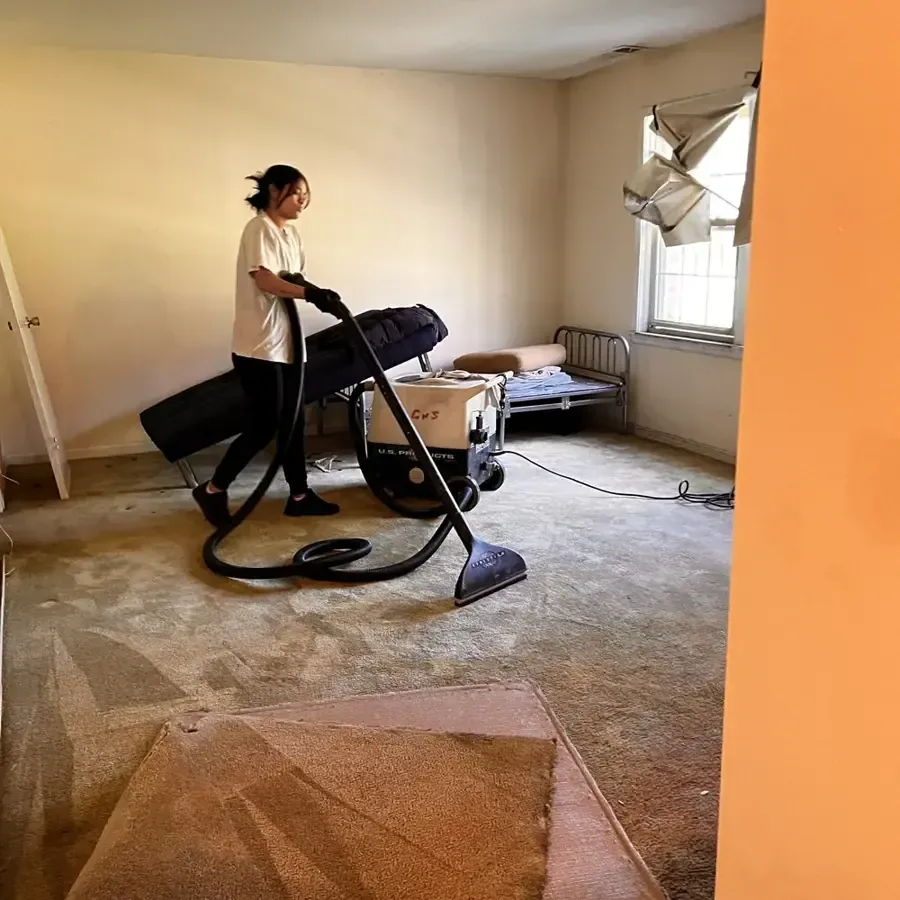
Standing water keeps moving into baseboards, drywall and cabinets until it leaves the building. The extraction crew pulls it out with truck-mounted units, then sets drying equipment to the IICRC S500 goal.
(888) 621-2041Pull the standing water out- Truck-mounted extraction
- Moisture mapped first
- 24/7 water removal
- Water category1, 2 or 3
- Key equipmentTruck-mounted extractor
- Drying goalIICRC S500
- Claim fileMoisture map and photos
Right now
First steps for water extraction and removal
- 1
Stop the source
Close the main shutoff or the fixture valve so no new water reaches the floor while the extraction crew is on the way.
- 2
Cut power to wet rooms
Switch off breakers for wet rooms only if the panel is dry and safe to reach, and keep cords out of the water.
- 3
Move what floats
Lift rugs, papers, shoes and electronics off the floor and set wood furniture legs on foil or plastic blocks.
- 4
Photograph the water
Take photos of the depth, the source and every wet room before anything is moved, for the insurance file.
The process
How water extraction and removal is handled, step by step
- 1
Map the moisture
The tech who does the walkthrough uses thermal imaging and pinless meters to outline every wet area, so extraction covers the whole loss and not just the visible puddle.
- 2
Extract the water
The extraction crew runs truck-mounted units over carpet and tile, and the weighted tool presses water out of pad that may be saved.
- 3
Set drying equipment
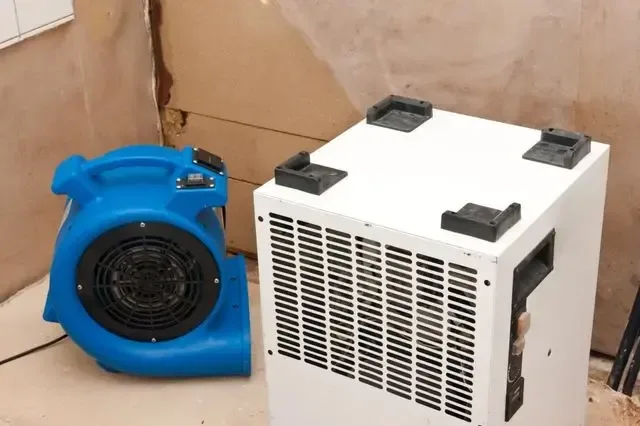
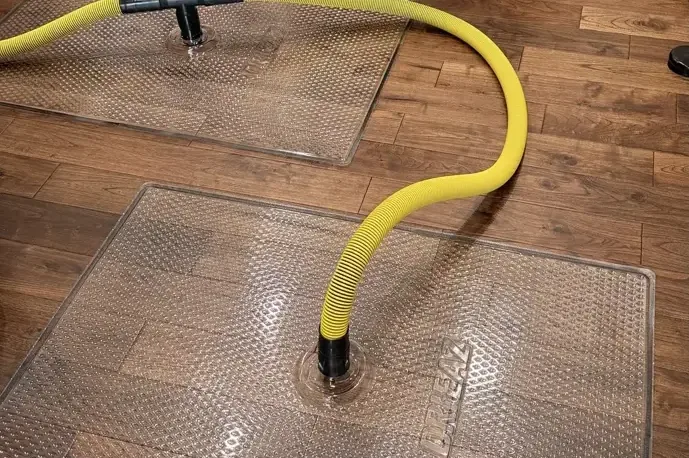
The drying team places air movers along wet walls and runs LGR dehumidifiers sized to the class of the loss and the humid outdoor air.
- 4
Verify and document
Readings are logged daily and the equipment leaves only when wet materials sit within 2 to 4 points of a dry reference.
Typical cost ranges
What does water extraction and removal cost in Holiday, FL?
Water extraction in Holiday typically runs $400 to $3,500 on its own, and most jobs bundle it with drying. The total depends on how much water is standing, the category, the flooring and whether pad can be saved.
Small spill, one room
$400 to $1,000
- Clean water on tile
- Portable extraction
- One day of readings
Several rooms, carpet
$1,000 to $2,200
- Truck-mounted extraction
- Pad pulled or saved
- Air movers set
Whole floor or Category 3
$2,200 to $3,500+
- Contaminated water out
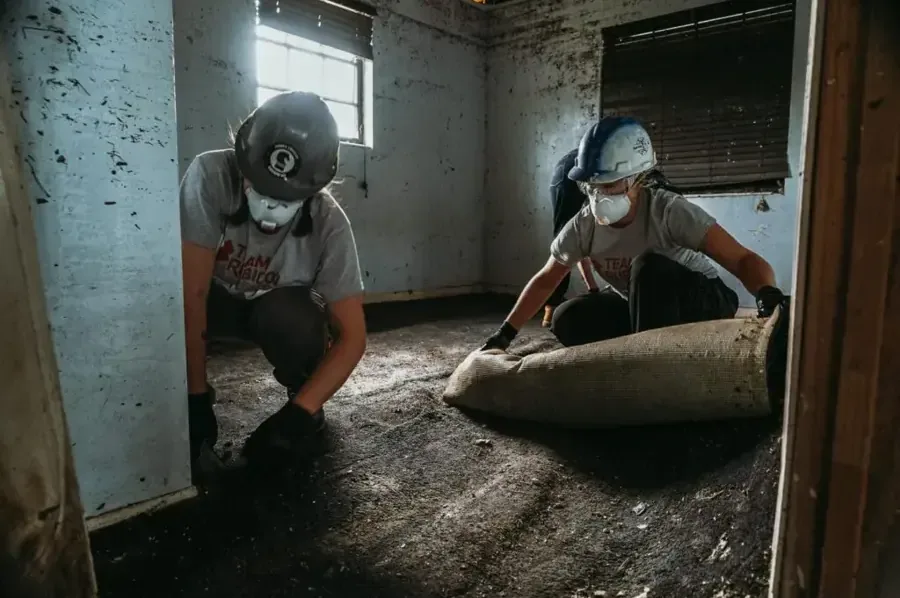
- Porous materials removed
- Antimicrobial applied
What moves the number
- Depth and spread of the standing water
- Category of water: clean, gray or black
- Carpet and pad versus tile and laminate
- How long the water sat before extraction
Run your own numbers with the water damage cost calculator. These are typical ranges for the trade, not a quote.
Extraction is the cheapest part of any dry-out and the part that saves the most. Every gallon pulled out as liquid is a gallon the dehumidifiers never have to pull out of the air. In Holiday homes with tile and carpet laid over a concrete slab, water spreads sideways fast and slips under baseboards and cabinet toe kicks within the first hour.
Why water extraction comes before drying
Air movers and dehumidifiers dry materials; they are slow and expensive at moving bulk water. The extraction crew removes as much liquid as possible first, then the drying team sizes equipment to what is left.
- Truck-mounted units pull water from carpet and pad far harder than a shop vacuum.
- Weighted extraction tools squeeze water out of pad so it can sometimes stay in place.
- Squeegees and portable pumps clear tile, garages and lanais.
- Thermal imaging shows where water ran under walls and cabinets.
Where standing water hides on Holiday slab floors
From Aloha Gardens and Colonial Hills to Key Vista and Baillies Bluff, the pattern on a slab is the same: water runs to the low corner, wicks up drywall from the bottom and sits under laminate and vinyl plank where nobody sees it. The tech who does the walkthrough checks behind baseboards, under kitchen cabinets and along exterior walls before calling a room clear.
- Under floating laminate and vinyl plank
- Inside the bottom track of sliding glass doors
- Under base cabinets and vanities
- In carpet tack strip along exterior walls
After the water is out in Holiday
Once extraction is done, the structural drying plan takes over: LGR dehumidifiers, air movers aimed at wet walls and daily readings until materials reach the drying goal. If the water came from outside, such as surge from the Gulf side near Anclote River Park, it is Category 3 and porous materials come out instead. Safety guidance for outside water is on ready.gov, and leak prevention tips are on EPA WaterSense.
Service area
Water extraction and removal across Holiday and nearby communities
Coverage runs across ZIP codes 34690, 34691 and 34692, from Aloha Gardens and Colonial Hills to Key Vista, Baillies Bluff and the Gulf access points at Anclote River Park and Gulf Park.
Nearby coverage reaches Tarpon Springs, New Port Richey, Trinity, Elfers, Palm Harbor, East Lake and Port Richey.
Every neighborhood and ZIP code coveredRelated
Related water damage services nearby
Questions
Water Extraction and Removal questions
How much water can truck-mounted extraction remove?
Truck-mounted units are far stronger than rental or shop vacuums, and they pull most of the free water out of carpet and pad in one pass. What remains is drying work for the dehumidifiers.
Can wet carpet pad be saved after water extraction?
Pad soaked with clean water and extracted quickly can sometimes stay. Pad touched by Category 2 water that sat, or any Category 3 water, comes out and is replaced.
Is a shop vacuum enough for standing water?
It helps for a small spill on tile. For carpet, pad or more than one room, a shop vacuum leaves too much water behind, and the drywall keeps wicking it up.
How soon should water extraction start in Holiday?
As soon as the source is stopped. Wet drywall and pad can start growing mold within 24 to 48 hours in humid Gulf coast weather, so extraction is treated as urgent, 24/7.
Does extraction work on tile and concrete floors?
Yes. Squeegee tools and extraction wands clear tile and slab quickly, but water under baseboards and in wall bottoms still needs drying equipment and meter checks.
What happens if storm water came inside?
Outside water is Category 3. The crew extracts it with protective gear, removes porous materials it touched and cleans surfaces before any drying starts.
Will the water extraction be documented for insurance?
Yes. The claim file carries the moisture map, timestamped photos before any removal, the category and class, and daily readings through the dry-out.
24/7 emergency water removal
Standing water in the house? Get it pulled out now.
The extraction crew removes the water, then the drying team takes the structure to the IICRC S500 goal.