Drying to the S500 standard
Structural Drying in Elfers, FL
After river flooding recedes, homes still hold water in walls, floors and framing. County officials said in 2015 that neighborhoods near the Anclote River could take days to return to normal, and structures take at least as long.
(888) 621-2041Line up the drying machines- Air movers
- Dehumidifiers
- Daily readings
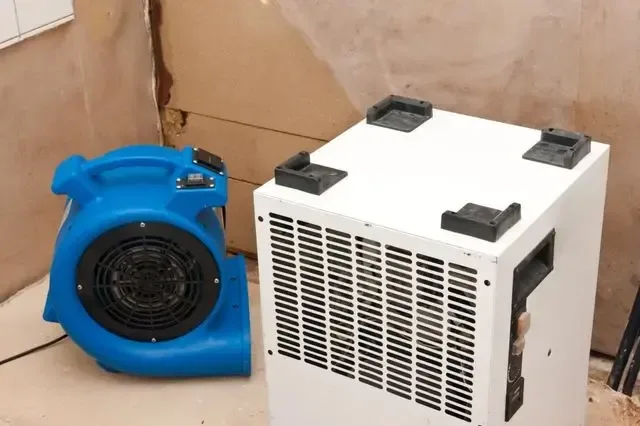
- Main toolsAir movers, dehumidifiers
- ChecksDaily moisture readings
- StandardIICRC S500
- Typical lengthSeveral days
Right now
First steps for structural drying and dehumidification
- 1
Classify the loss
The crew sets the water class and category, which decides equipment type, count and placement.
- 2
Place the equipment
Air movers and dehumidifiers go where meters show the most moisture, then get rebalanced as readings drop.
- 3
Take daily readings
Moisture is measured at fixed points each visit and logged, so progress is visible.
- 4
Release the equipment
Machines leave only when readings match a dry reference area of the same material.
The process
How structural drying and dehumidification is handled, step by step
- 1
Inspect and map
Meters and a thermal camera locate the wet zones, and the crew marks them so progress can be tracked.
- 2
Install equipment
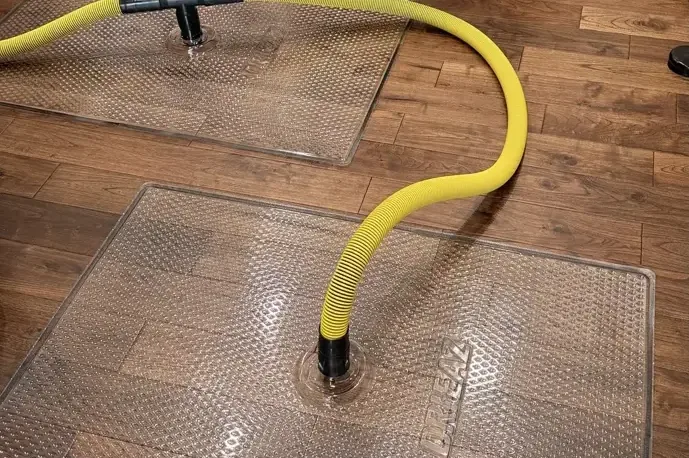
Air movers, dehumidifiers and mats are positioned from the room volume and material type, not by a fixed count per room.
- 3
Monitor and adjust
Daily visits record readings, move equipment and pull machines from areas that reach dry sooner than expected.
- 4
Verify and close
Final readings are taken against a dry reference, and the log and photos are saved for the file and handed to the owner.
Typical cost ranges
What does structural drying and dehumidification cost in Elfers, FL?
Structural drying typically costs $1,000 to $8,000 or more, depending on the water class, the number of rooms involved and the number of days the equipment must keep running.
Class 1 to 2, one area
$1,000 to $2,500
- Small wet area
- A few machines
- Short run
Class 3, several rooms
$2,500 to $5,000
- Walls and ceilings
- More equipment
- Longer run
Class 4 or large loss
$5,000 to $8,000+
- Dense materials
- Specialty drying
- Extended run
What moves the number
- Water class of the loss found
- Rooms and square footage involved
- Materials that hold the most water
- Days the equipment stays running
Run your own numbers with the water damage cost calculator. These are typical ranges for the trade, not a quote.
Structural drying is the step that turns a cleaned-up house into a dry one. Once standing water is out, the building still holds moisture in drywall, wood and concrete, and that moisture needs to leave through the air.
Why drying takes days
After the July 2015 flooding, county emergency management said it could take days for neighborhoods near the Anclote River to return to normal. A building follows the same pattern. Moisture sits inside wood and gypsum and comes out slowly, so equipment has to run and be adjusted until the readings settle.
The equipment and its jobs
- Air movers push dry air across wet surfaces
- Dehumidifiers pull vapor out of the air and keep it from returning
- Moisture meters read wood, drywall and concrete
- Thermal cameras reveal wet areas behind surfaces
- Drying mats and panels pull water from floors and cavities
How it connects to other work
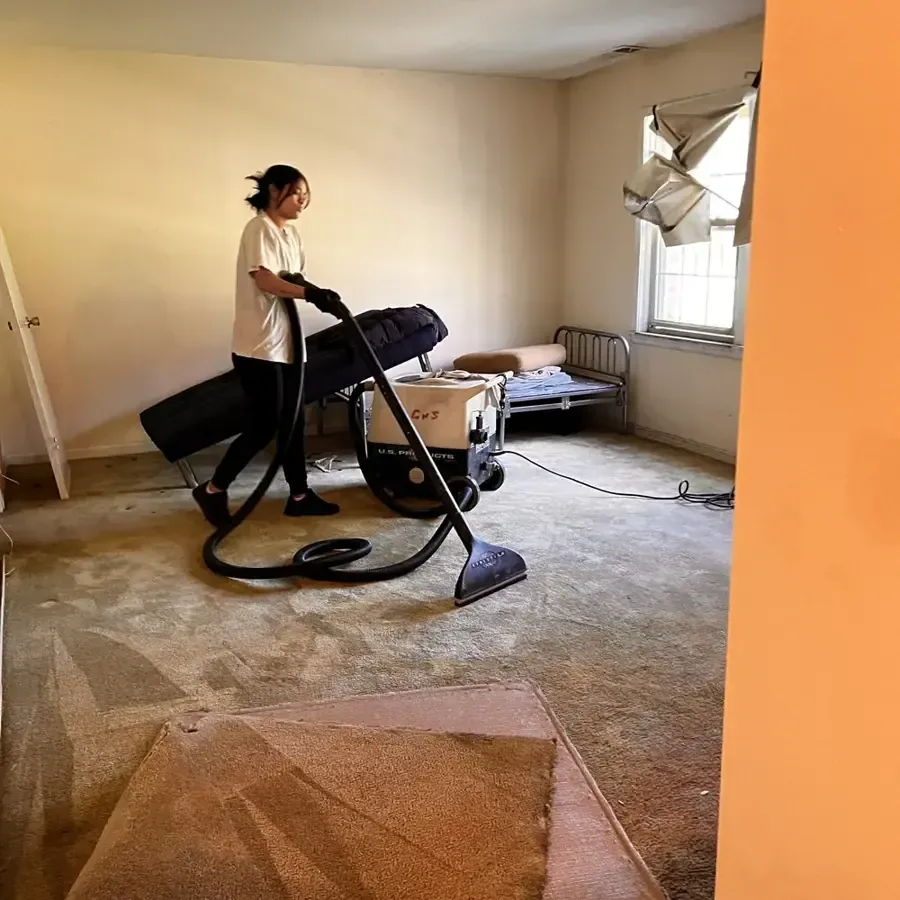
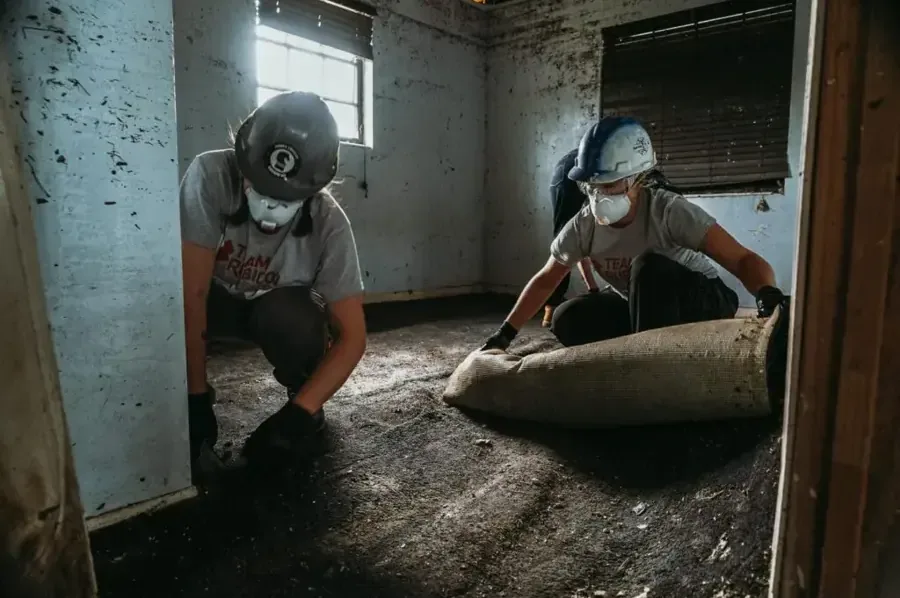
Drying follows cleanup and extraction, so it often starts after water extraction or storm surge and flood cleanup. Many jobs also need floor and carpet water damage decisions, since floors and walls are dried together on the same schedule.
The daily log, with readings and photos, is the proof that the building is actually dry.
Reading the numbers
Moisture content in wood and drywall is a percentage, and the crew compares each reading with a dry sample of the same material. Humidity in the air is tracked as well, since a damp room can send water right back into the walls.
Hidden pockets, such as the stud bays behind baseboards, are tested with probes, then opened if the numbers stay high.
Service area
Structural drying and dehumidification across Elfers and nearby communities
Drying equipment is placed in homes, condos and small businesses across the community, including areas near the Anclote River, Colonial Hills and Holiday Gardens Estates. Readings drive every job.
The same service nearby: structural drying and dehumidification in Holiday, Beacon Square, Trinity.
Water damage restoration in Elfers · every community covered
Related
Related water damage services nearby
Questions
Structural Drying and Dehumidification questions
How long does structural drying take?
Usually several days, though dense materials and large losses take longer. Readings decide when to stop, not a set number of days.
Why are dehumidifiers needed with fans?
Fans move moisture off surfaces into the air. Dehumidifiers pull that moisture out so the air can take on more.
Can I run the AC to dry the house?
It helps a little, but it cannot replace dedicated equipment. A closed, dry-air setup dries faster than a normal living space.
Is the equipment loud?
Yes, it is noisy and warm. Many owners stay in unaffected rooms, but some choose to stay elsewhere during the busiest days.
Will my electric bill go up?
Yes, temporarily. Drying equipment draws power for several days, and documenting that use can help with the claim.
Why are daily visits needed?
Readings show whether the plan is working. Equipment gets moved, added or removed based on what the walls and floors report.
How do I know the building is dry?
Final readings match a dry reference, and the written log shows the steps. That record also supports the insurance file.
24/7 emergency water removal
Dry walls need more than open windows
Call now, any hour, and explain which rooms were wet so the crew can plan equipment counts and a daily reading schedule.