Standing water removal
Water Extraction and Removal in East Lake, FL
Heavy rain and storm runoff can leave floors under standing water around Lake Tarpon. Extraction pulls it out first, so less of it soaks into subfloor, baseboards and cabinets.
(888) 621-2041Get the standing water moved- Pumps and wands
- Moisture checked
- Carpet and tile
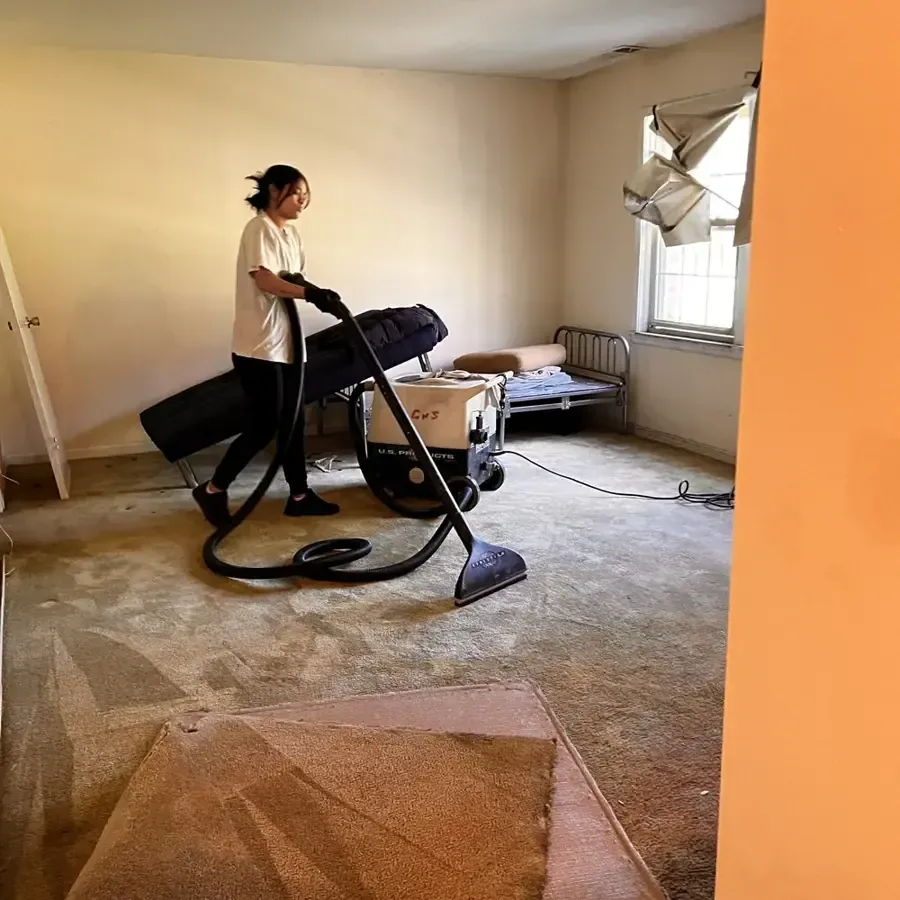
- Best forStanding water indoors
- ToolsPumps and wands
- Checked withMoisture meters
- Next stepStructural drying
Right now
First steps for water extraction and removal
- 1
Stop and secure
The source is shut off and power to wet rooms is made safe before any equipment enters the space, and children stay clear.
- 2
Remove the depth
Submersible pumps clear deep water, then truck mounted or portable extraction units take the rest from the floor.
- 3
Lift the remainder
Weighted wands pull water from carpet, padding and the seams of floor coverings until they stop giving back water.
- 4
Check the structure
Moisture meters and a thermal camera show water still held in subfloor, baseboards and wall bases beyond the surface.
The process
How water extraction and removal is handled, step by step
- 1
Walk the wet area
A crew member maps every room the water reached, notes the water category and decides which tools suit each surface before any equipment starts.
- 2
Clear the depth
Pumps remove the standing water, with hoses routed to a safe drain point outside the structure and away from clean areas.
- 3
Extract the surfaces
Wands and portable units pull water from carpet, tile and cabinet bases until each surface stops giving back water on repeat passes.
- 4
Hand off to drying
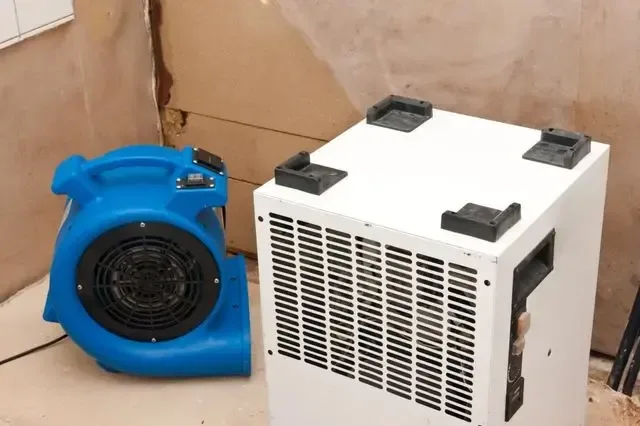
Moisture readings are recorded and the room is staged for air movers and dehumidifiers, with the written scope sent for the claim.
Typical cost ranges
What does water extraction and removal cost in East Lake, FL?
Most extraction jobs fall between $400 and $3,500, with the final figure set by the depth of the water, the floor area, the number of rooms and whether the water is clean or contaminated.
Small spill, one room
$400 to $1,000
- One room
- Light removal
- Quick dry check
Several rooms, carpet
$1,000 to $2,200
- Carpet and pad
- Wand work
- Readings logged
Whole floor or Category 3
$2,200 to $3,500+
- Deep water
- Contamination
- Material removal
What moves the number
- Depth of the standing water
- Carpet versus hard floor surfaces
- Whether the source was clean or contaminated
- Number of rooms and square footage involved
Run your own numbers with the water damage cost calculator. These are typical ranges for the trade, not a quote.
When water sits on a floor, it keeps traveling into baseboards, door frames and the cabinets beside it. In East Lake, where homes stand near Lake Tarpon and wetlands that store floodwater, heavy rain and storm runoff are the usual reasons for water indoors. Extraction comes first because drying equipment works poorly in a room that is still flooded.
What extraction removes
The crew picks the tool to match the surface, then works room by room until no pooled water remains.
- Pooled water on tile, vinyl and sealed concrete
- Water held in carpet and padding
- Moisture trapped under laminate and plank
- Water sitting in cabinet bases
- Residue left in low spots and thresholds
Why the order matters
Pumps handle depth, wands lift what is left in fibers, and moisture meters then show what the surface hides. A floor that looks dry can still hold water in the subfloor, which is why readings follow every pass. If the water came from a storm or lake rise, read about storm surge cleanup too.
What comes after the water is out
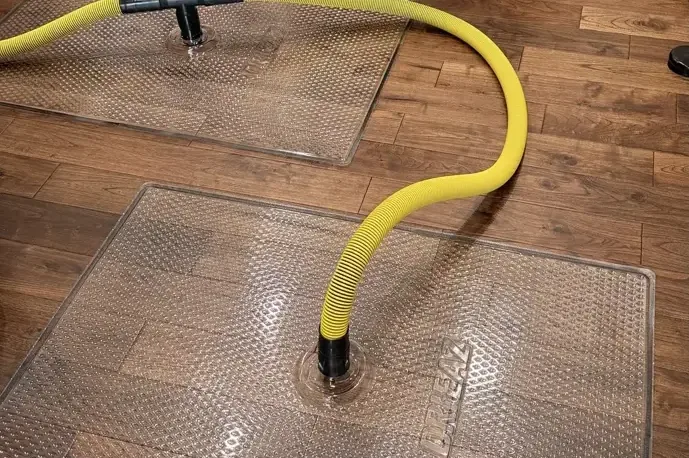
Extraction removes the bulk of the water, but wet framing and drywall still need air movement and dehumidifiers. The crew sets that plan during the same visit, using structural drying readings to decide how long equipment stays.
Questions to ask before work starts
A clear plan names the water type, the rooms in scope and the readings that will end the job. Ask which materials will be lifted and which will stay, and ask how the crew will protect dry rooms while pumps and hoses run through the home. Written answers make the later claim conversation simpler for everyone involved, and they keep surprises off the final invoice.
Service area
Water extraction and removal across East Lake and nearby communities
Extraction crews serve the Lake Tarpon shore and inland neighborhoods such as Windmill Pointe, Bridlewood and Cypress Run, where low yards and wet soil can send water toward garages and ground floors.
The same service nearby: water extraction and removal in Holiday, Trinity, Palm Harbor.
Water damage restoration in East Lake · every community covered
Related
Related water damage services nearby
Questions
Water Extraction and Removal questions
How soon should extraction start after a flood?
As soon as the source is stopped and the power is safe. Water left in a room soaks into drywall and padding, so removing it early cuts the drying work that follows.
Does extraction dry the room?
No. Extraction removes liquid water, and drying equipment then pulls out the moisture held inside floors and walls. Both steps are needed for a finished job.
Can carpet be saved after extraction?
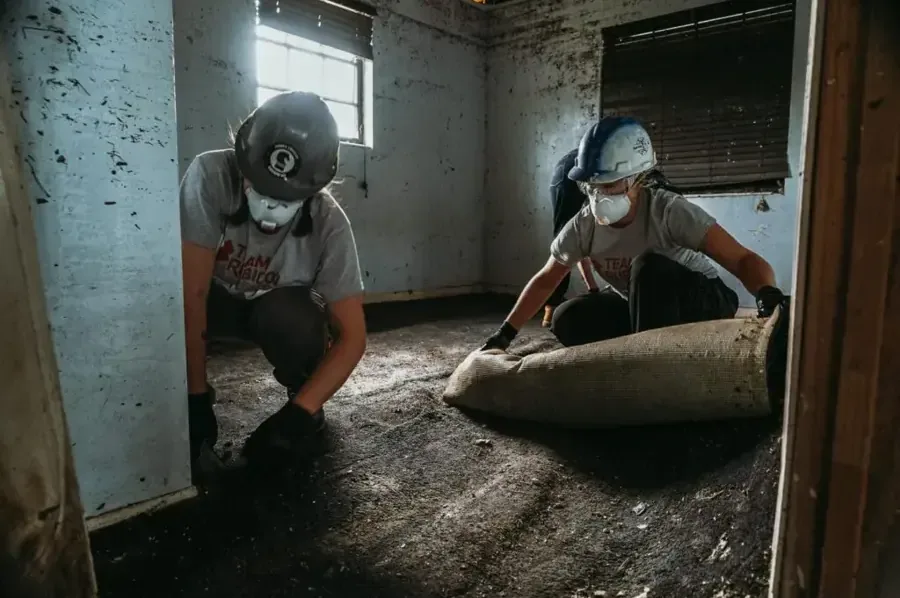
Often yes, when the water was clean and the carpet was not wet for long. The pad is usually replaced, and sewage or floodwater carpet is removed.
What is the difference between a pump and a wand?
A pump moves deep standing water through a hose. A wand is a weighted floor tool that lifts the water trapped in carpet fibers and seams.
Do standing water jobs near Lake Tarpon need special care?
Storm and lake water can carry contamination, so the crew treats it as suspect, wears protective gear and removes porous materials that cannot be cleaned.
How do I know water is still hiding in the floor?
Moisture meters and a thermal camera show wet subfloor beneath a surface that looks dry. Repeat readings confirm when the wet area has gone.
Will the crew move my furniture?
Small items are lifted and blocked up, and heavy pieces are repositioned on foil or pads. Contents that cannot be cleaned are listed for the claim.
24/7 emergency water removal
Pump the water out before it spreads
Describe what is wet and a crew will explain the removal plan and the drying that follows.