Structural drying
Structural Drying and Dehumidification in Palm Harbor, FL
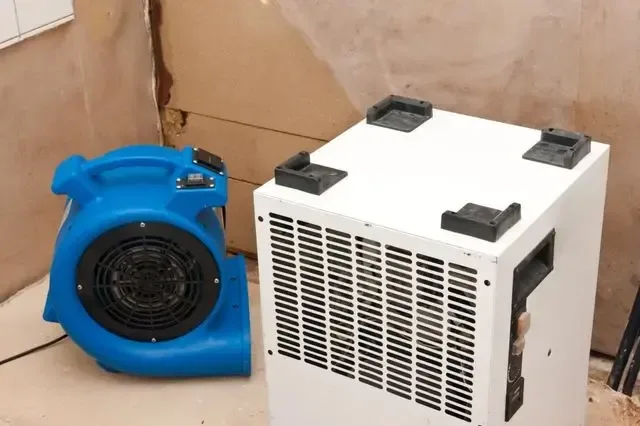
After the water is out, moisture stays in framing, subfloors and drywall. Structural drying uses dehumidifiers and air movers, with daily readings, until the building reaches a dry standard and the readings prove it.
(888) 621-2041Set up the dry down- Dehumidifiers placed
- Moisture mapped
- Readings logged
- StandardIICRC S500
- ToolsDehumidifiers, air movers, meters
- ChecksDaily moisture readings
- Ends whenMaterials match dry
Right now
First steps for structural drying and dehumidification
- 1
Keep doors closed
Close doors and windows in the drying area so dehumidifiers work on the wet room only.
- 2
Leave equipment running
Fans and dehumidifiers run constantly. Do not switch them off or move them without telling the crew.
- 3
Keep furniture off wet floors
Wet floors and walls need open air, so keep belongings raised.
- 4
Save the readings
Ask for the moisture log, since it shows the structure reached a dry reference.
The process
How structural drying and dehumidification is handled, step by step
- 1
Map the moisture
Technicians use meters and a thermal camera to outline wet walls, floors and ceilings before equipment is placed.
- 2
Set the equipment
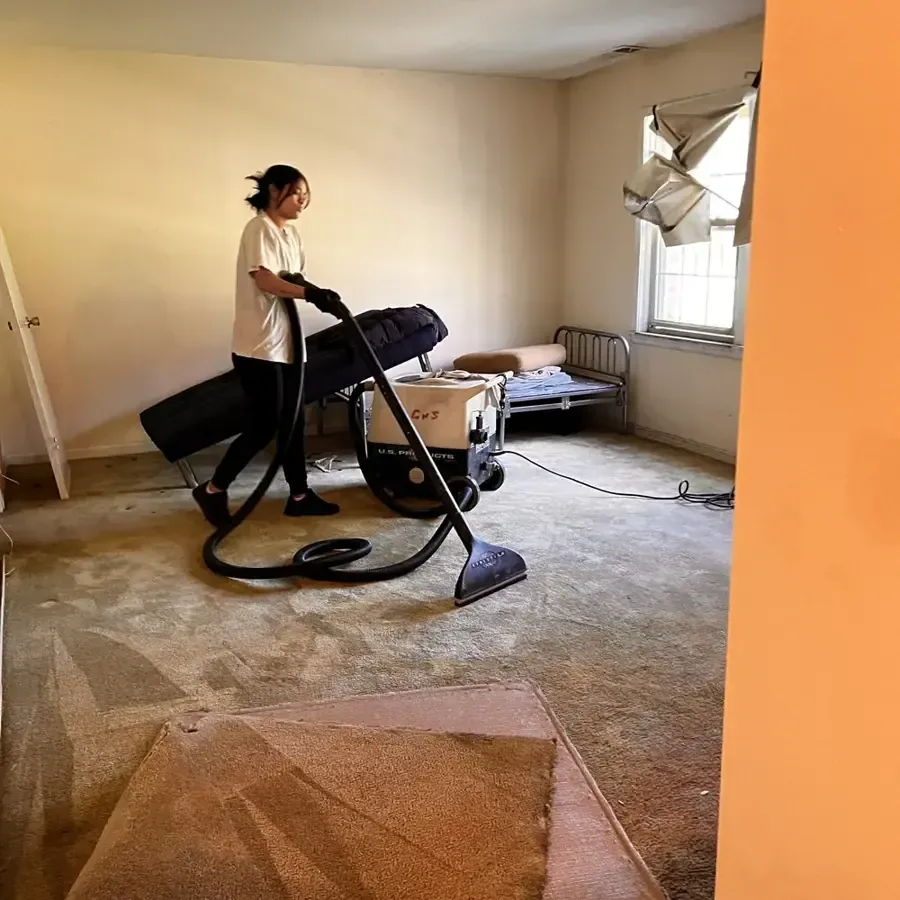
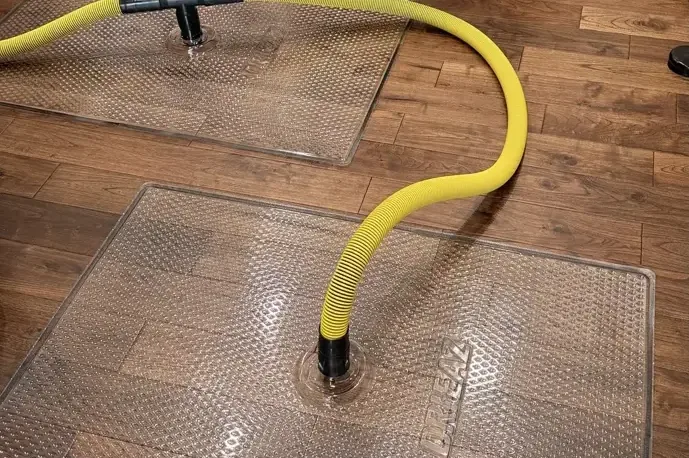
Dehumidifiers, air movers and drying mats are placed by class and room size, and sized to the room volume, with openings made where cavities need air.
- 3
Read every visit
Temperature, humidity and moisture are logged, and machines are moved or removed as materials dry, with notes kept for the file.
- 4
Confirm and release
When readings match the dry reference, equipment leaves, and the owner receives the final drying log.
Typical cost ranges
What does structural drying and dehumidification cost in Palm Harbor, FL?
A small job in one area typically runs $1,000 to $2,500. Class 3 jobs across several rooms cost $2,500 to $5,000, and Class 4 or large losses can reach $5,000 to $8,000 or more.
Class 1 to 2, one area
$1,000 to $2,500
- Limited wet area
- Few machines
- Short drying period
Class 3, several rooms
$2,500 to $5,000
- Walls and ceilings wet
- More dehumidifiers
- Daily readings
Class 4 or large loss
$5,000 to $8,000+
- Dense materials involved
- Drying mats used
- Long drying period
What moves the number
- Class of the water loss
- Size of the affected area
- Materials that absorbed the water
- Number of days to reach a dry standard
Run your own numbers with the water damage cost calculator. These are typical ranges for the trade, not a quote.
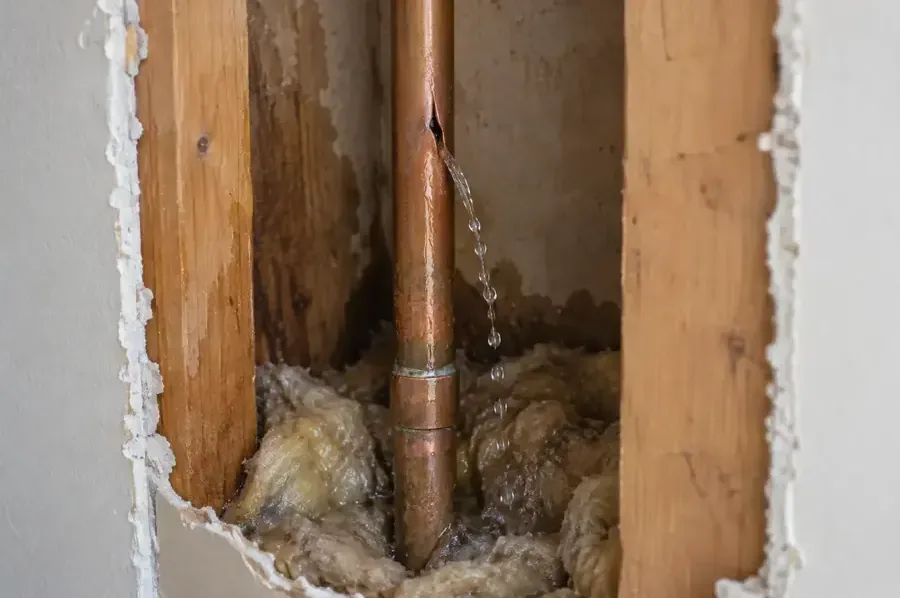
Removing standing water is only half the job. Moisture soaks into studs, plates, subfloors and drywall, and it leaves slowly. Palm Harbor sits between St. Joseph's Sound and Lake Tarpon, where about a third of the census area is water and the air carries moisture of its own, so controlled drying matters. Structural drying follows the IICRC S500 standard to finish what extraction began.
The equipment
A drying plan uses several tools together, and the mix changes as the building dries, so a machine that starts in a bedroom may end its job in the hallway.
- Dehumidifiers that pull water from the air
- Air movers that push dry air across surfaces
- Drying mats for hardwood and cabinets
- Moisture meters for framing and drywall
- Thermal cameras that show wet areas
Classes of water loss
The S500 standard ranks losses by how much material absorbed water. Class 1 and 2 losses involve limited areas or moderate absorption, Class 3 means water came from above and soaked walls and ceilings, and Class 4 covers dense materials such as hardwood and concrete that hold water deeply. The class sets the number of machines and the length of the dry down.
Daily readings, not guesses
Technicians record temperature, humidity and moisture readings at each visit and compare them with a dry reference taken from an unaffected area. Equipment moves as walls dry, and it comes out only when the numbers match. The log goes to the owner and the insurer. Related steps are in water extraction.
Service area
Structural drying and dehumidification across Palm Harbor and nearby communities
Structural drying serves homes across Palm Harbor and the 34682 to 34685 ZIP codes, including communities such as Lansbrook, set between Brooker Creek Preserve and Lake Tarpon.
The same service nearby: structural drying and dehumidification in Holiday, East Lake, Beacon Square.
Water damage restoration in Palm Harbor · every community covered
Related
Related water damage services nearby
Questions
Structural Drying and Dehumidification questions
What is structural drying?
It is the removal of moisture from framing, subfloors, drywall and other building materials with dehumidifiers and air movers after standing water is gone.
How long does structural drying take?
It depends on the class of loss and the materials. Technicians read moisture each visit and remove machines only when the building reaches the dry reference.
Why are fans alone not enough?
Fans move moist air around. Dehumidifiers remove the water from the air, which lets walls and floors release moisture and keep releasing it.
What does IICRC S500 mean for a homeowner?
It is the industry standard for water damage drying. It defines classes, equipment and verification, so the work is measured instead of guessed.
Does drying prevent mold?
Quick, complete drying removes the moisture that other growth needs. That is why readings must reach dry before walls are closed.
Is the equipment loud, and can the family stay home?
Machines hum constantly, but most families stay in unaffected rooms. The crew explains where to keep doors closed and what to leave plugged in.
Why does humidity matter near Lake Tarpon and the Sound?
Moist air slows drying, so dehumidifiers matter more near water. About a third of Palm Harbor is water, so keeping indoor humidity under control is part of every plan.
24/7 emergency water removal
Get the building to a dry standard
Wet framing does not dry on its own in a humid climate. Call and describe the loss, and the crew will explain the drying plan.