Water under the floor
Slab Leak Water Damage in Trinity, FL
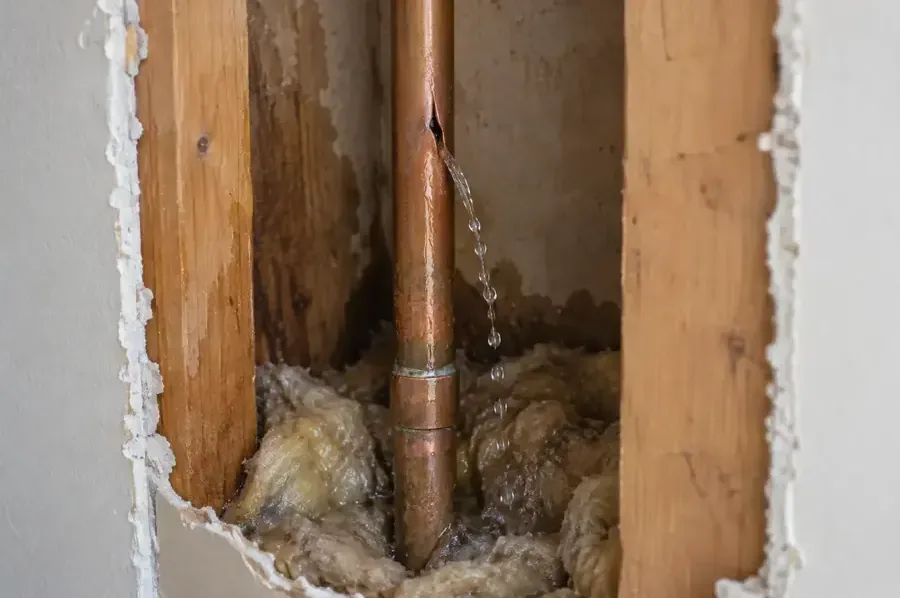
Water from a leaking pipe under a concrete floor can spread through tile, grout and wall bottoms without a visible puddle, so thermal imaging and moisture meters are used to find the wet zone before any cutting starts.
(888) 621-2041Warm spot or high water bill?- Thermal leak mapping
- Tile and grout drying
- Wall bottom checks

- Typical sourcePressurized supply pipe
- Wet materialsTile, grout, wall bottoms
- Key toolsThermal camera, meter
- GoalS500 dry readings
Right now
First steps for slab leak water damage
- 1
Check for signs
Look for warm floor spots, damp grout or a water bill that jumped, and listen for running water with every fixture off.
- 2
Shut off the water
Close the main valve if the sound or dampness continues, and call a plumber to confirm where the pipe is leaking.
- 3
Protect belongings
Lift rugs, furniture legs and boxes off the damp floor and photograph every damp area.
- 4
Ask for moisture mapping
Describe the signs and the flooring so a technician can bring thermal imaging, meters and drying mats.
The process
How slab leak water damage is handled, step by step
- 1
Map the moisture
A thermal camera and meter trace the wet zone across floors and wall bottoms, and the water category is confirmed before any flooring is cut.
- 2
Lift what traps water
Flooring, pad or baseboards that seal water against the slab are removed in a controlled, minimal way while the rest of the floor stays in place.
- 3
Dry the slab and walls
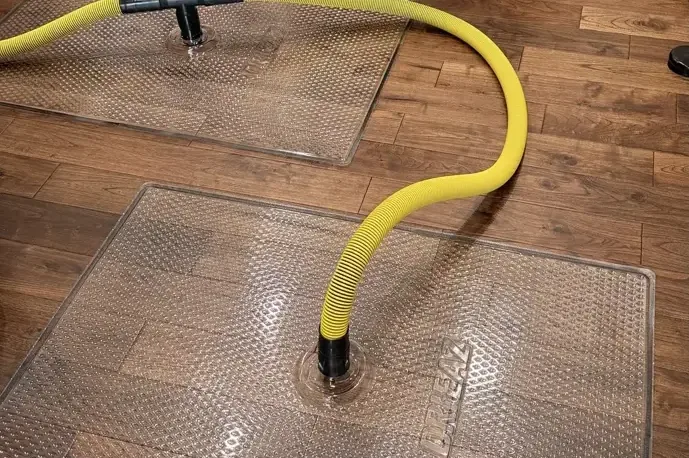
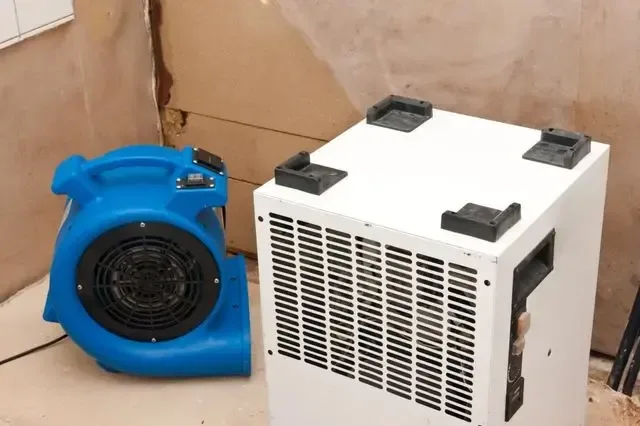
Drying mats, air movers and dehumidifiers pull moisture from concrete, grout and wall bottoms on a schedule matched to the slab readings.
- 4
Verify and document
Readings are logged each visit until floors and walls reach dry goals, and photos are saved for the claim ahead of any rebuilding work.
Typical cost ranges
What does slab leak water damage cost in Trinity, FL?
Slab leak water damage in Trinity usually costs $1,800 to $8,000 or more to dry and restore, separate from the plumbing repair. The size of the wet area and the flooring on top drive the total.
One room, tile floor
$1,800 to $3,500
- Tile dried in place
- Baseboards vented
- Slab mapped by camera
Several rooms
$3,500 to $6,000
- Pad or plank lifted
- Drying mats on concrete
- Wall bottoms opened
Whole floor plan
$6,000 to $8,000+
- Flooring out in many rooms
- Longer slab drying
- Complete claim records
What moves the number
- Size of the wet area under the floor
- Flooring on top, such as tile or plank
- How many days the leak ran unseen
- Whether walls need to be opened
Run your own numbers with the water damage cost calculator. These are typical ranges for the trade, not a quote.
A leak beneath the floor is hidden by design. Owners usually notice a warm patch underfoot, the sound of running water when every fixture is off, a rising water bill or damp spots where tile meets the wall. The restoration work begins once the plumber has stopped the leak: finding where the water went, and drying it.
Signs the leak is under the floor
These clues often show up before any stain appears:
- Warm or hot spots on the floor
- Water bills that climb without a reason
- Damp grout lines or lifting tile edges
- A musty smell near baseboards
- A hissing or running sound in quiet rooms
How the drying is planned
Concrete holds moisture far longer than drywall, so the dry-out is planned in layers. Thermal imaging and meters outline the wet area, surface flooring that traps water is lifted, wall bottoms are checked for wicking, and low-humidity drying equipment runs until slab readings come down. Homes with floor and carpet damage on top need that finish removed first, since it can seal moisture in.
Plumber first, then restoration
The pipe repair belongs to a plumber, and the leak has to be fixed before drying means anything. A plumber's note on the source and a tidy record of the cleanup help with the insurance claim, and the crew can coordinate timing so the floor is not reopened twice. For supply pipe failures inside walls, see burst pipe water damage. Owners of homes with tile throughout should expect the crew to test grout lines and the first row of wall board, since moisture often hides at those edges even when the center of the room reads dry.
Service area
Slab leak water damage across Trinity and nearby communities
Slab leak mapping is available across Trinity, including Thousand Oaks, Chelsea Place, Natures Hideaway and Heritage Springs, with dispatch open at any hour in ZIP code 34655.
The same service nearby: slab leak water damage in Holiday, East Lake, Elfers.
Water damage restoration in Trinity · every community covered
Related
Related water damage services nearby
Questions
Slab Leak Water Damage questions
How do I know if a slab leak is causing damage?
Warm floor spots, a damp smell, lifting flooring and a higher water bill are the usual clues. A plumber confirms the leak, and a restoration crew confirms how far the moisture spread.
Does a slab leak always mean tearing up the floor?
Not always. Tile and plank are sometimes dried in place, but pad, laminate and trapped baseboards often come out so the concrete underneath can dry.
Who fixes the leaking pipe?
A plumber repairs or reroutes the pipe. The restoration crew handles extraction, drying and documentation, and the two trades work in sequence so floors are not opened twice.
How long does concrete take to dry?
Longer than drywall. Concrete is dense, so drying is judged by moisture readings at each visit rather than by a set number of days.
Is mold likely after a slab leak?
Moisture left in wall bottoms and under flooring can invite mold, which is why readings are repeated until the area is fully dry.
Is slab leak damage covered by insurance?
Coverage depends on the policy and the cause, and the carrier makes that decision. Dated photos, readings and the plumber's report give the adjuster the details.
Do leaks inside the walls follow the same steps?
Leaks in a wall or ceiling follow a similar path but are covered by burst pipe water damage, since the removal points differ.
24/7 emergency water removal
Suspect a leak below the floor? Get the moisture mapped.
A technician traces the wet zone, lifts only what traps water and dries the slab and walls to the IICRC S500 goal.