Storm water damage
Hurricane and Storm Water Damage in Palm Harbor, FL
When wind pushes rain through a broken window, a lifted shingle or a failed door seal, the water travels past the opening into ceilings, attics and walls. Cleanup follows that path, not just the visible puddle.
(888) 621-2041Report the storm water loss- Rain entry traced
- Wet insulation removed
- Rooms dried out

- CauseWind driven rain
- Check firstAttic and ceilings
- Water typeClean to gray
- FinishDried and documented
Right now
First steps for hurricane and storm water damage
- 1
Cover the opening
Tarp the roof or board the window if that can be done safely, and move belongings away from the wet ceiling.
- 2
Shut off power
Switch off breakers to wet rooms and stay clear of ceiling fixtures that hold water.
- 3
Photograph everything
Capture the opening, the ceiling, wet floors and damaged contents before anything is thrown out.
- 4
Call for extraction
Early extraction and drying keep wet insulation and drywall from needing wider removal.
The process
How hurricane and storm water damage is handled, step by step
- 1
Stop further entry
Technicians confirm the opening is covered, then protect floors and contents before any wet material is moved out.
- 2
Extract and remove
Standing water is lifted, soaked insulation and damaged ceiling board are cut out, and debris is bagged for disposal.
- 3
Map the moisture
Meters and a thermal camera follow the rain's path through the attic, ceiling and wall cavities to find the real wet edge.
- 4
Dry and verify
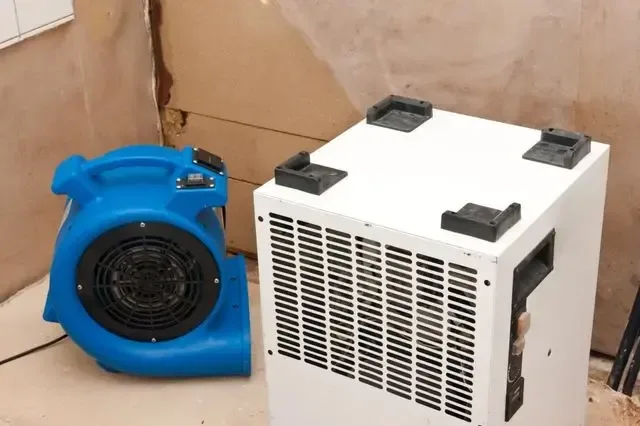
Dehumidifiers and air movers run until readings match a dry reference, and the final log goes to the owner.
Typical cost ranges
What does hurricane and storm water damage cost in Palm Harbor, FL?
Most storm water jobs fall between $2,000 and $4,500 for one room, climbing when the ceiling and attic are wet. Several soaked rooms reach $9,000 to $15,000 or more, and a written scope sets the final figure.
One opening, one room
$2,000 to $4,500
- Single entry point
- Floor extraction
- Room dried out
Ceiling and attic wet
$4,500 to $9,000
- Insulation removed
- Ceiling board opened
- Attic readings taken
Several rooms soaked
$9,000 to $15,000+
- Multiple rooms dried
- Wall cavities opened
- Extended drying days
What moves the number
- Size of the opening in the home
- Whether the attic took water on
- Number of rooms that were soaked
- Water type and how long it sat
Run your own numbers with the water damage cost calculator. These are typical ranges for the trade, not a quote.
Storm water damage starts with an opening. A failed window seal, a damaged roof covering or a door pushed by wind lets rain in, and the water rarely stays where it entered. In October 2024 people were evacuated from flooded homes in Palm Harbor, a reminder that storm season can turn into real cleanup work.
Where storm water hides
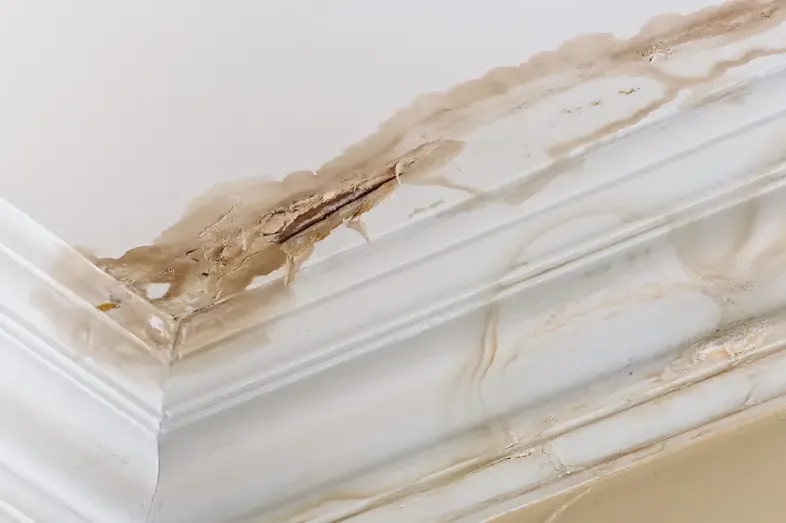
Rain that enters through a roof or wall soaks insulation first, then settles in places the eye does not check.
- Attic insulation above bedrooms
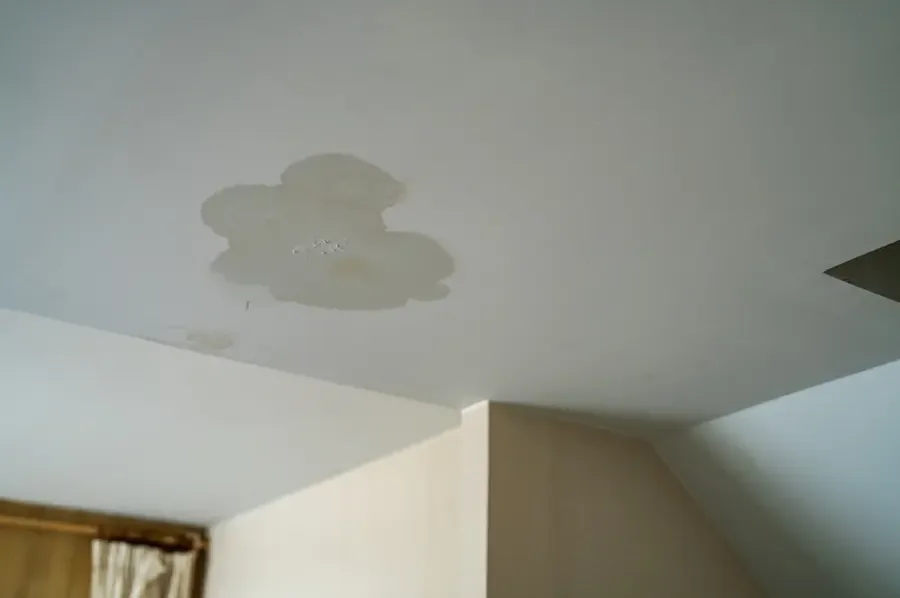
- Ceiling drywall near light fixtures
- Wall cavities below windows
- Carpet along exterior doors
- Garage ceilings and stored boxes
Securing the building first
Drying cannot hold while rain keeps coming in. A tarp or board goes over the opening, usually with the homeowner's roofer, and then extraction starts on floors while wet ceiling material is cut open to release trapped water. Soaked insulation is bagged and removed, because it stays wet long after the storm ends and holds moisture against framing.
Insulation and the attic
Attic insulation acts like a sponge. Once it is wet it can press against the ceiling below for a long stretch, spreading stains and weakening drywall. Technicians pull it out in sections, check the roof deck side for moisture and leave the attic open to air so the framing can dry before any new insulation goes in.
Sorting the water type
Rain that came straight through a roof is usually clean, but water that crossed a yard, a street or a garage floor carries dirt and bacteria. Technicians test and label it before choosing methods. Water that rose from outside the house follows the rules on storm surge and flood cleanup.
Service area
Hurricane and storm water damage across Palm Harbor and nearby communities
Storm water cleanup covers homes across Palm Harbor, including the Highland Lakes and Lansbrook communities, the older streets of Ozona and Crystal Beach, and each of the four local ZIP codes.
The same service nearby: hurricane and storm water damage in Holiday, East Lake, Beacon Square.
Water damage restoration in Palm Harbor · every community covered
Related
Related water damage services nearby
Questions
Hurricane and Storm Water Damage questions
What counts as storm water damage?
Water that enters because of wind, rain or flooding from a storm. It includes rain through a damaged roof, water around windows and doors, and wet ceilings that follow.
Should wet insulation come out?
Usually yes. Soaked insulation holds water against the ceiling for a long time and loses its value, so removing it speeds drying and protects the drywall below.
Is storm water clean?
Rain that fell straight through a roof is often clean, but water that crossed ground, gutters or a garage floor is treated as gray or contaminated. Technicians test before deciding on removal.
Did Palm Harbor see flooding recently?
In October 2024 people were evacuated from flooded homes in Palm Harbor. Cleanup after a flood removes the water and dries the structure, as described on the storm surge and flood cleanup page.
Who handles the roof repair?
A roofer repairs the roof itself. Restoration crews cover the opening if needed, then extract and dry the interior so repairs have a dry base to build on.
Can the storm loss be claimed through insurance?
Many homeowner policies cover wind driven rain when the storm created the opening. Wind or flood coverage varies, so photos and a moisture log help the adjuster follow it.
24/7 emergency water removal
Stop the rain from spreading through the house
Wet insulation and ceilings get harder to save as the days pass. Call, describe where the rain entered, and the crew will lay out the next steps.