
Lake Tarpon is the largest freshwater lake in Pinellas County, and it drains through a single structure. When storm surge pushes back against that outlet, rain from a hurricane can stay in the lake basin and the neighborhoods around it.
Key takeaways
- The Lake Tarpon Outfall Canal structure was built by the Army Corps in 1969 and is the lake's only surface water outlet to Old Tampa Bay.
- The outfall releases water by gravity, so higher tides and surge slow or stop the flow out of the lake.
- Surge from Hurricane Idalia in 2023 and Hurricane Debby in 2024 forced extended gate closures, leaving the county unable to release floodwater for more than 24 hours.
- A home can sit outside an evacuation zone and still be in a high risk flood zone.
- Water that enters a house from a lake or surge is handled as contaminated until proven otherwise.
How the Lake Tarpon outfall works
The Lake Tarpon Outfall Canal structure was built by the Army Corps of Engineers in 1969. It is the lake's only surface water outlet to Old Tampa Bay.
The Southwest Florida Water Management District took over operating and maintaining it in 1974.
The structure works by gravity. Water leaves the lake because the lake sits higher than the bay.
Why surge changes the picture
When tides rise or storm surge pushes into the bay, the gap between lake and bay shrinks. A smaller gap means slower flow, and at times no flow at all.
Storm surge from Hurricane Idalia in 2023 and Hurricane Debby in 2024 forced extended gate closures at the outfall. The county could not release floodwater for more than 24 hours.
That means rain that falls during a storm has nowhere to go while the surge is high.
- Heavy rain adds water to the lake while the outlet is limited.
- Retention areas and wetlands fill faster than usual.
- Streets and low yards drain more slowly.
- Garages and entries are often the first places water reaches.
Milton and the warning to East Lake
On October 7, 2024 the water management district released as much water as possible from Lake Tarpon ahead of Hurricane Milton.
Before Milton the district warned that storm surge was expected to overtop the outfall structure and that surge plus heavy rain could cause catastrophic flooding around the lake and canal.
In August 2026 Pinellas County commissioners voted unanimously to support an Army Corps feasibility study of the outfall structure and canal.
The study does not change what a homeowner faces in the next storm, which is why a plan for water in the house matters.
Flood zones, evacuation zones and surge are not the same
Pinellas County states that everyone in the county is in a flood zone, and zones can be low, moderate or high risk.
A home can be outside an evacuation zone yet in a high risk flood zone because of a nearby stream or pond. East Lake sits at about 10 feet of elevation, so rain and rising water both matter.
- Flood zones describe the chance of flooding from water on the ground.
- Evacuation zones describe storm surge risk from the coast.
- Surge and rain together can reach places neither zone alone suggests.
- High risk flood areas have a 1% or greater chance of flooding in any given year.
What gets pumped out first
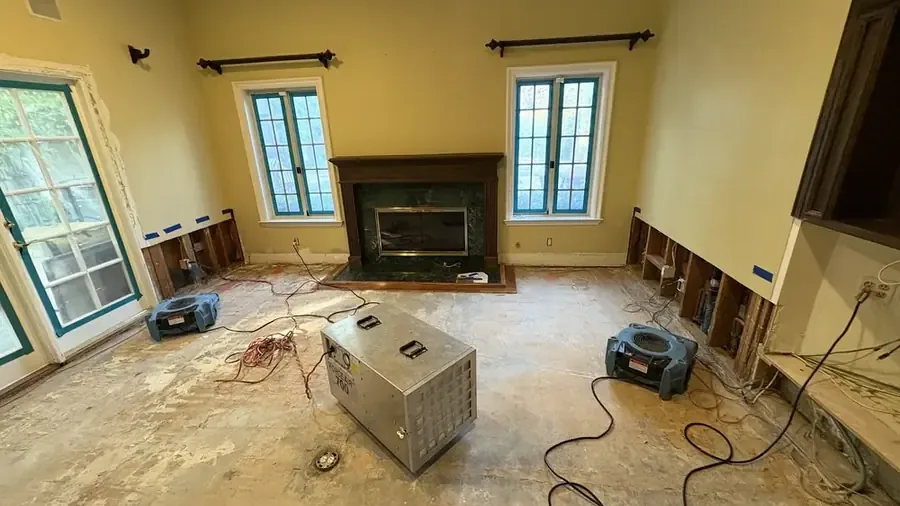
When water enters a house during an event like this, the order of work matters. Water extraction comes first, with pumps clearing standing water from garages, entries and living areas.
Once the floor is clear, wet materials come out and drying begins.
Garage and entry first
Water usually enters at the lowest openings. Removing it from the garage and entry keeps it from wicking further into the house.
Living areas next
Carpet, pad and baseboards that touched the water are removed or cut. Contaminated water is handled under storm surge and flood cleanup practices, with disinfection after removal.
- Standing water pumped out.
- Wet carpet and pad removed.
- Baseboards removed to open the wall base.
- Drying equipment set once the structure is cleared.
A checklist for garages and entries before a storm
The lowest openings take water first, so a short check before a storm pays off.
None of these steps stops surge, but each one limits how fast water reaches the floor.
- Lift boxes and stored items off the garage floor.
- Clear drains, gutters and the swale near the garage door.
- Know where the main water shutoff and the electrical panel are.
- Move important papers and electronics to a higher room.
The communities around the lake
East Lake includes communities such as Windmill Pointe, Lake Tarpon Villages and Bridlewood. Each one has its own grading, ponds and drains.
John Chesnut Sr. County Park covers about 255 acres on the east shore of Lake Tarpon.
The East Lake Management Area provides flood storage and improves surface water quality before it enters Lake Tarpon, which helps in normal rain.
After the water leaves
When the lake and the bay equalize and water recedes, the real work in the house begins. Wet materials come out, and drying starts.
A crew experienced in restoration help for lakeside communities can read moisture in walls and floors and decide what to keep.
- Contaminated materials are removed.
- Hard surfaces are disinfected.
- Moisture readings decide how long equipment stays.
Reading the water around the house
Not all water in a yard or garage is the same. Rain runoff, lake water and surge each carry different risks.
A homeowner cannot always tell them apart, which is why contaminated water is assumed until a professional says otherwise.
Water that has been standing for more than a short while, smells off or carries silt should be treated with caution.
- Keep children and pets away from standing water.
- Wear boots and gloves when moving through wet areas.
- Do not run electrical equipment in a wet garage.
- Take photos before anything is moved or thrown away.
Insurance and records
Most homeowners and renters insurance policies do not cover flood damage. Flood insurance is a separate policy.
Because of that, clear records help in any claim: photos of the waterline, a list of damaged items and notes of when the water entered and left.
Questions
What is the Lake Tarpon outfall?
It is the Lake Tarpon Outfall Canal structure, built by the Army Corps in 1969, and the lake's only surface water outlet to Old Tampa Bay.
Why can the lake not drain during a storm?
The outfall releases water by gravity, so higher tides and surge that shrink the elevation gap between lake and bay slow or stop the flow.
Which storms forced gate closures?
Surge from Hurricane Idalia in 2023 and Hurricane Debby in 2024 forced extended gate closures at the outfall.
Is flood damage covered by regular insurance?
Most homeowners and renters policies do not cover flood damage. Flood insurance is a separate policy.
What happens first if water enters the house?
Standing water is pumped out, then wet materials are removed and drying equipment is set.