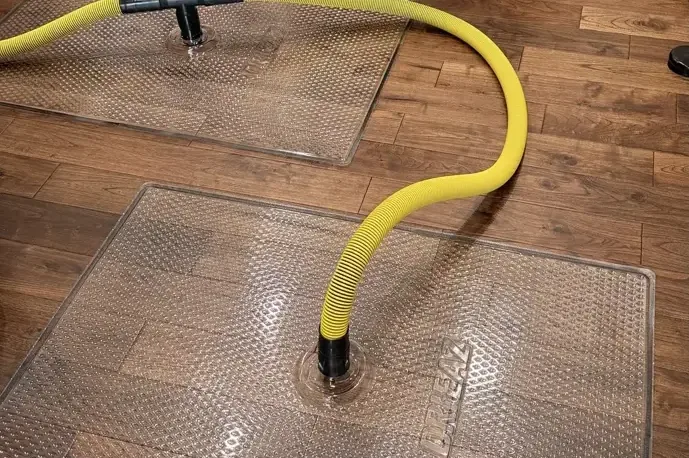
Some Trinity homes have never seen floodwater in a normal storm. October 2024 showed that dry history is not a promise, because officials warned river flooding was spilling into nearby lakes and retention ponds.
Key takeaways
- In October 2024 officials said river flooding was spilling into nearby lakes and retention ponds and threatening neighborhoods that typically stay dry.
- Residents near lakes, retention ponds or low lying areas were told to be on high alert.
- Evacuations were recommended, not mandatory, for areas including Thousand Oaks.
- Pasco County offers a Find My Flood Zone lookup showing flood zone and base flood elevation.
- Water that enters through a garage or entry spreads into flooring before it is seen.
What happened in October 2024
Pasco County officials called the rising rivers a 200 year flood event. The Anclote River crested around 26 feet against a 20 foot flood stage.
Officials said river flooding was spilling into nearby lakes and retention ponds and threatening neighborhoods that typically stay dry.
Evacuations were recommended, not mandatory, for several areas including Thousand Oaks and other low lying areas.
Why a dry history can mislead
Trinity is mostly single family homes in planned, named communities. Many of them have retention ponds built to hold runoff.
Ponds work well in normal rain. When rivers and lakes rise, they can fill and push water into places that were not designed to take it.
- A pond near the yard can rise over its bank.
- Water follows grading toward garages and entries.
- A neighborhood that never flooded may not have drains built for this volume.
- Residents near lakes, retention ponds or low lying areas were told to be on high alert.
How the water gets into the house
Water rarely arrives as a wave. It comes through low openings: garage doors, door thresholds, floor level vents and sliding door tracks.
Once inside, it spreads along flooring and into the base of walls.
Garage and entry
A garage takes the first water. From there it moves under the door into hallways and rooms next to the garage.
Flooring and baseboards
Laminate and plank flooring swell at the seams. Carpet and pad wick water upward and hold it.
Baseboards draw water from the floor into the wall base.
- Look for cupped planks near entries.
- Press on carpet to feel for water in the pad.
- Check the bottom of walls for staining or soft drywall.
What to dry first
Speed matters because flooring and drywall keep absorbing water. Water extraction removes standing water and the water held in carpet and pad.
Next, wet materials that cannot be saved are removed so the structure can dry.
Pond and river water is not clean, so it is treated as contaminated until proven otherwise.
- Standing water extracted from the floor.
- Wet carpet and pad lifted and removed.
- Baseboards removed and wall bases opened.
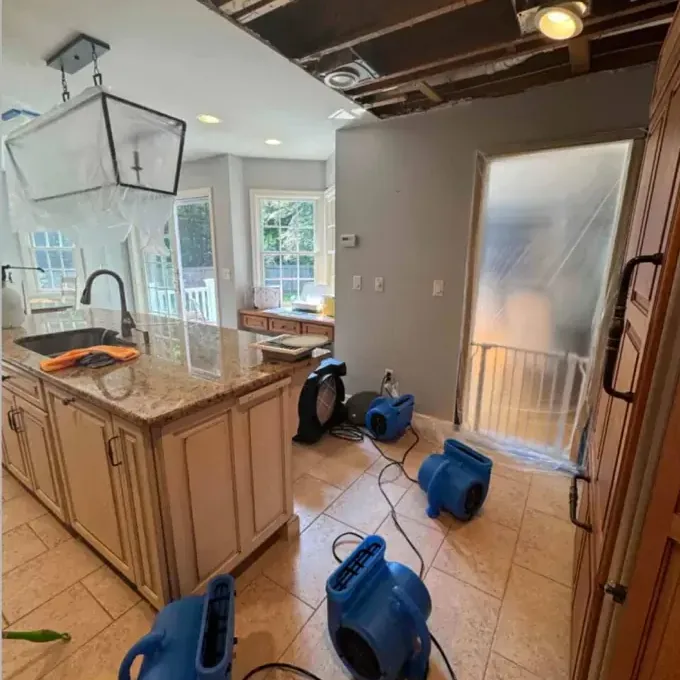
- Air movers and dehumidifiers set for drying.
When floors can be saved
The decision depends on the material and on how long it was wet. Tile and sealed hard surfaces often survive when cleaned and dried.
Laminate and engineered plank usually swells and is replaced. Floor and carpet water damage work looks at each room and decides what to keep and what to remove.
Check the lot before the storm
A short look at the yard and the street can show where water will go.
Planned communities in Trinity, from Champions Club to Heritage Springs, were laid out with ponds and drains, and each lot sits differently in that system.
- Note where water collects after a hard rain.
- Check that gutters and downspouts empty away from the house.
- Clear leaves from drains near the garage.
- Look at how the driveway slopes toward or away from the door.
After the pond water recedes
Once the water drops, it is tempting to wait and see. The better move is to check for moisture right away.
Pond and river water leaves silt behind, and flooring can hide water for days.
- Photograph the waterline and any silt left behind.
- Lift a corner of carpet to check the pad.
- Remove wet rugs and soaked boxes from the floor.
- Open cabinet doors and base panels to let them air.
Appliances, cabinets and furniture
Water that reaches a kitchen or laundry room does not stop at the flooring.
It can wick into cabinet bases, appliance panels and the legs of furniture.
- Cabinet toe kicks are removed to dry the space behind them.
- Appliances that sat in water should be checked by a technician.
- Upholstered furniture touched by pond water is usually discarded.
Why local conditions matter
Trinity covers 4.7 square miles, all land, and most of its housing is newer construction in planned communities.
A local team for water damage restoration knows how retention ponds and neighborhood drains work together, which helps decide how far water may have traveled.
The same approach applies to floors elsewhere on the market, and the services page for floor and carpet water damage explains each step.
Talking with neighbors and the community
Retention ponds are shared, so what happens at one lot can affect others. A short conversation with neighbors and the community office gives a fuller picture.
It can also show which streets drained fastest and which held water the longest.
- Ask who maintains the pond and the drains.
- Share photos of high water marks with neighbors.
- Report blocked drains to the right office early.
Contaminated water and clean rooms
Pond and river water is not clean. It carries runoff from yards, roads and drains, so a room that took water is treated as affected until it has been cleaned and dried.
Walking from a wet room into a dry one carries that water across the house on shoes and socks.
Setting a clear path, wearing boots in the wet area and keeping children and pets out of it limits how far the contamination spreads.
A crew sets containment and walkways first, so the rest of the home stays clean while work is done.
Know your flood zone before the next storm
Pasco County offers a Find My Flood Zone address lookup that shows flood zone and base flood elevation. It takes only a few moments to use and gives a homeowner a clearer picture.
A lookup does not promise dry floors. It shows the context for planning and for conversations with an insurer.
Questions
Why did dry neighborhoods flood in October 2024?
Officials said river flooding was spilling into nearby lakes and retention ponds and threatening neighborhoods that typically stay dry.
Were evacuations required?
Evacuations were recommended, not mandatory, for several areas including Thousand Oaks and low lying areas.
How can I check my flood zone?
Pasco County offers a Find My Flood Zone address lookup that shows flood zone and base flood elevation.
Is pond overflow water clean?
No. Pond and river water can carry runoff and sewage, so it is treated as contaminated.
What gets removed after pond water enters?
Wet carpet and pad, baseboards that touched the water and drywall that wicked it are the usual items, depending on how long they were wet.