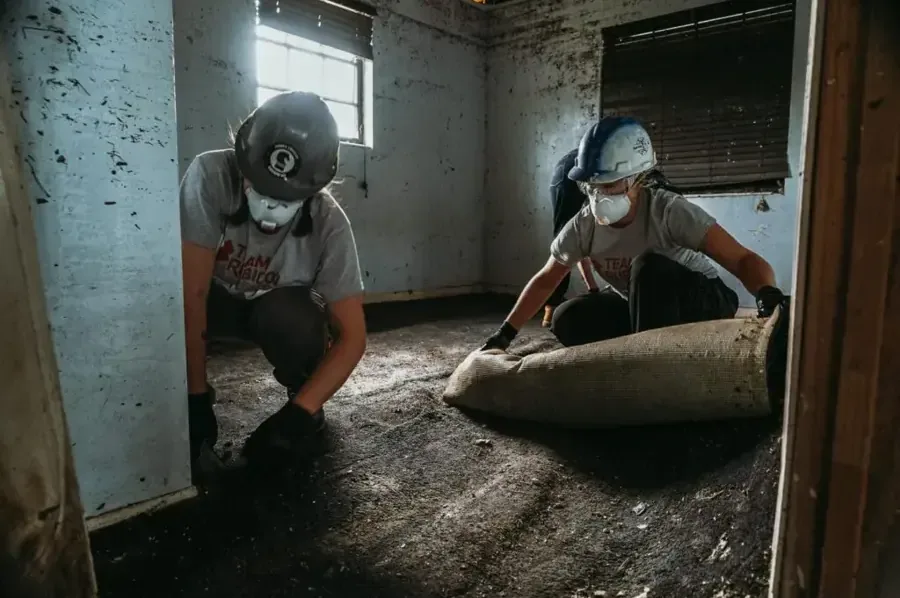
When Gulf water pushes into a Holiday home, the first day decides how much of the house can still be saved. Surge water carries sewage, silt and debris, so it is handled very differently from water from a split pipe.
Key takeaways
- Storm surge water is treated as Category 3, so porous materials such as carpet, pad and low drywall usually come out instead of drying in place.
- Photos and notes taken before anything is moved protect the record of the loss.
- The order on day one is safety, standing water out, wet materials removed, then structural drying.
- Power stays off at the panel until an electrician has checked every circuit the water reached.
- Hurricane Helene on September 26, 2024 showed how quickly Gulf surge can reach homes near the Anclote River and the shoreline parks.
Why Gulf surge water is different
Water from a broken supply pipe starts clean. Water that arrives from the Gulf of Mexico does not.
As surge moves inland it picks up sewage, fuel, yard chemicals, soil and debris. By the time it is inside a house it is classed as Category 3, the most contaminated level.
That classification drives every choice that follows, from what protective gear is worn to which materials can stay.
- Carpet and pad that touched surge water are removed, not cleaned.
- Drywall and insulation below the waterline are cut out because they absorb contaminants like a sponge.
- Hard surfaces such as tile and sealed concrete can usually be cleaned and disinfected.
- Wood framing is usually dried and treated rather than replaced.
Safety comes before cleanup
The house may look calm once the water drops, but several hazards remain. Wet electrical systems, slippery silt and sewage exposure matter more than speed.
Anyone entering should wear boots, gloves and eye protection, and children and pets stay out of the affected rooms.
- Leave the main breaker off until an electrician clears the circuits the water touched.
- Do not run a wet vacuum, fan or appliance that sat in the water.
- Avoid touching floodwater with bare skin and wash exposed skin right away.
- Do not drink tap water if a boil advisory has been issued for the area.
- Stay out of rooms with sagging ceilings or soft floors.
What Hurricane Helene showed in Holiday
Hurricane Helene made landfall on September 26, 2024 and brought historic storm surge to this part of the Gulf coast. The Pasco County Sheriff's Office rescued around 200 people in water emergencies.
Holiday sits with the Gulf of Mexico to the west, and the shoreline includes Anclote River Park, Gulf Park and Key Vista Park. Neighborhoods such as Key Vista, Sand Bay and Baillies Bluff are close to that edge.
Surge works differently from rain. Water rises from the outside, enters at the lowest openings and can stand for a long time because it has nowhere to drain until the Gulf recedes.
A house that stayed dry in a hard rain can still take water from surge, which is why the first day looks different here than after a leak.
Document the loss before moving anything
Insurance adjusters and restoration crews both rely on a clear record of what the water reached.
Walk each room before cleanup starts and photograph the waterline on the walls, the ruined contents and any damage to cabinets, doors and trim.
- Take wide photos of each room, then close photos of the waterline.
- List damaged furniture, electronics and appliances with a short description.
- Write down the time the water entered and when it receded.
- Keep samples or photos of flooring and carpet before they are discarded.
Extraction and removal come next
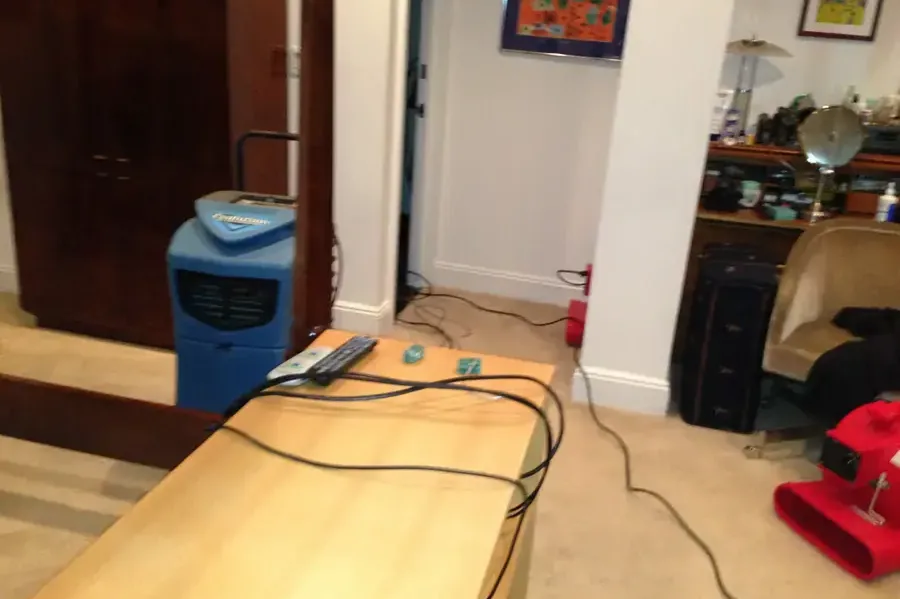
Standing water is pumped out first so that wet materials stop absorbing more moisture. This is the heart of water extraction, and it is done with pumps and extraction units sized to the water depth.
Once the floor is clear, crews remove what cannot be saved and carry it out in the order that keeps the rest of the house clean.
Water and mud out
Silt left by surge is heavy and carries contamination. It is shoveled and washed out before anything is dried.
Leaving it behind traps moisture against floors and walls.
Flood cuts above the waterline
Drywall is cut a measured height above the highest waterline so wet insulation behind it can be pulled.
The cut is straight and clean, which makes the later rebuild simpler.
- Baseboards come off to expose the bottom plate.
- Wet insulation is bagged and removed.
- Cabinet toe kicks are opened to dry the space behind them.
Structural drying and cleaning
After removal, the remaining structure still holds water. Structural drying uses air movers and dehumidifiers, and moisture meters show when framing and subfloor reach a dry reading.
Surfaces are then cleaned and disinfected. This step is what separates a proper storm surge and flood cleanup from simply drying a wet room.
Drying is checked with readings each day. It ends when the numbers say so, not when the house feels dry.
- Air movers push dry air across wet surfaces.
- Dehumidifiers pull moisture out of the air so it cannot settle back.
- Readings from wall cavities and subfloors decide when equipment leaves.
Mistakes that make surge damage worse
The hours after the water leaves are stressful, and a few well meant moves can cost more later.
Most of them come from treating surge like an ordinary spill.
Reading the situation correctly on day one keeps the repair smaller and the house safer.
- Running fans over wet, contaminated carpet, which spreads contamination through the air.
- Using household bleach on porous materials instead of removing them.
- Closing the house up tight before standing water and wet materials are out.
- Throwing away everything before photos and a list are made.
- Walking through mud and silt and carrying it into clean rooms.
Contents, cabinets and what gets sorted
Furniture, electronics and personal items need a quick sort once the structure is safe.
Items that sat in surge water fall into three groups: those that can be cleaned, those that need a specialist, and those that are discarded.
- Hard goods such as glassware, metal and sealed plastic can usually be washed and disinfected.
- Upholstery, mattresses and particleboard furniture usually cannot be saved after Category 3 water.
- Cabinets are often opened at the base so the space behind the toe kick can dry.
- Electronics and appliances should be checked by a technician before they are plugged in.
When to bring in a restoration crew
Small spills can be handled by a homeowner. Surge cannot, because of the contamination and the volume of water involved.
A crew brings pumps, protective gear, drying equipment and the records an insurance claim needs. The earlier the call, the less time contaminated water sits in framing.
Questions
Is storm surge water safe to touch?
No. Surge water mixes with sewage, fuel and debris and is classed as Category 3. Protective gear is needed and skin that touches it should be washed right away.
Can wet carpet be saved after surge?
Usually not. Carpet and pad that sat in surge water are removed because they hold contaminants that cleaning cannot fully reach.
Why are walls cut open after a flood?
Wet insulation and drywall hold contaminated water. A flood cut above the waterline removes them and lets the framing dry.
How is surge different from rain water?
Rain water leaks in from above and starts cleaner. Surge rises from outside, carries contamination and can stand until the Gulf recedes.
When can the power be turned back on?
After an electrician has checked every circuit the water reached. Until then the main breaker stays off.