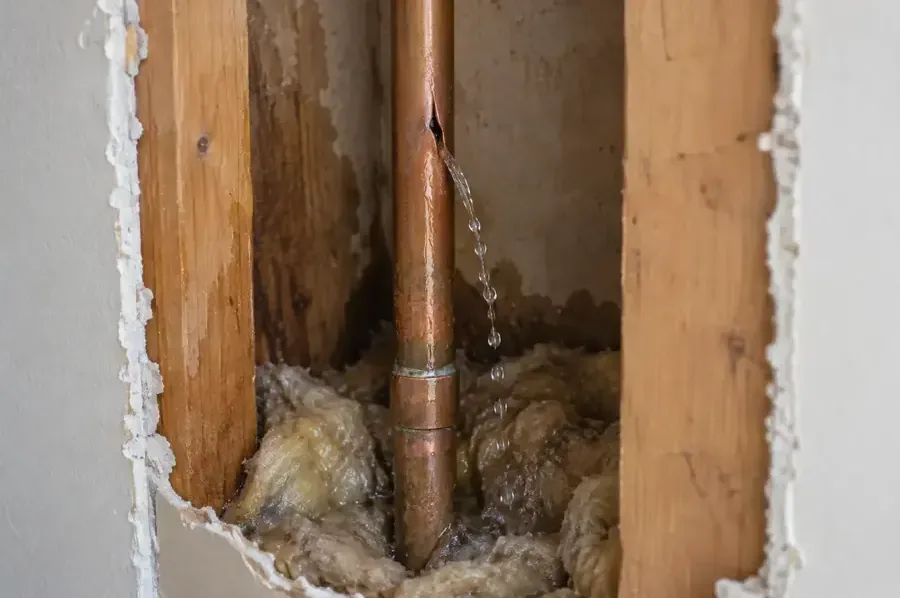
In October 2025 a water main break on Carioca Road was repaired, and a boil water notice covered 750 homes in the Aloha Gardens area of Holiday. A notice like that is about drinking water, but it is also a good moment to check the water inside the house.
Key takeaways
- The October 2025 notice came from FGUA after the Carioca Road water main break was repaired.
- A boil water notice is about drinking safety, not about leaks inside a home.
- After water is shut off and turned back on, supply connections can show weak spots.
- A room by room check takes only a short time and catches hidden water early.
- Slow leaks in cabinets, walls and ceilings can do damage before a stain shows.
What happened in the Aloha Gardens area
In October 2025 a water main break on Carioca Road in Holiday was repaired. FGUA issued a boil water notice for 750 homes in the Aloha Gardens area, according to local news coverage.
A boil notice tells residents to boil water before drinking it while the system is tested. It says nothing about whether the plumbing inside any house is sound.
Still, when water service is interrupted and restored, a house can show problems that were hidden.
Why the plumbing deserves a look
When water is shut off and turned back on, pressure and flow change. Air moves through the pipes and weak fittings can start to drip.
This does not mean a break is likely. It means a quick check is cheap compared with finding a wet wall later.
- Old supply connections can loosen when pressure returns.
- Appliance hoses are easy to forget behind a washer or under a sink.
- A small drip behind a wall can run for days.
- Water that runs unseen can stain a ceiling below.
A room by room check
Walk the house with a flashlight and look for anything damp, stained or swollen.
Check the places where water supply lines enter and leave.
Kitchen and laundry
Open the cabinet under the sink and run a hand along the supply lines. Pull a washer forward if possible and check the hoses at the wall.
- Look for water rings or soft cabinet bases.
- Check the dishwasher supply and the ice maker line.
- Feel behind the washer for dampness.
Bathrooms and water heater
Check under vanities, around toilets and at the base of the water heater. A tank that drips often leaves a ring on the floor.
- Look at toilet supply connections.
- Check around shower valves for stains.
- Look at the pan under the water heater.
Find the main shutoff before you need it
Every home has a main shutoff valve, often near the meter or where the supply line enters the house. Knowing where it is makes a leak far less costly.
A quarter turn handle is faster than an old wheel valve, and either one should turn freely.
- Locate the shutoff and label it.
- Test that it turns without forcing it.
- Make sure everyone in the house knows where it is.
If you do find water
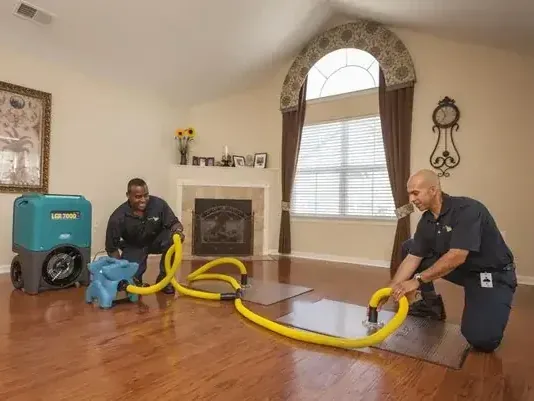
Shut off the supply, stop using water and remove standing water. Then look at what it reached.
A burst pipe water damage job starts with finding the source and removing wet material that cannot dry in place.
Leaks from hoses, dishwashers and ice makers fall under appliance leak water damage, where cabinets and flooring are the main concern.
- Turn off the main or the fixture valve.
- Photograph the water and the damage.
- Soak up standing water and open cabinet doors to air them.
- Call for a moisture check if walls or floors feel damp.
Water heaters and appliances after service returns
Appliances that use water deserve a closer look when service is restored.
A water heater tank can show a drip at a fitting or a valve, and a washer hose can loosen behind the machine.
- Look for rust or moisture at the top connections of the water heater.
- Check the pan or floor beneath it for a damp ring.
- Run the dishwasher and watch the base for drips.
- Check the ice maker line behind the refrigerator.
When a leak is inside a wall
Not every leak shows on the floor. A pipe in a wall can drip for days and leave only a faint stain.
Signs to watch for include a damp wall, a swollen baseboard or the sound of water when everything is off.
- Paint that bubbles or peels without a clear reason.
- A musty smell in a room that was fine before.
- A water meter that keeps moving when no one is using water.
Records worth keeping
If a leak is found, a short record helps later. Note the date, what was damaged and what was done to stop it.
Photos and moisture readings show the extent of the problem and support any claim.
- Take photos of the leak source and the area around it.
- Save receipts for repairs and emergency work.
- Write down when the water was shut off and turned back on.
Why a quick check is worth the time
A boil notice is a reminder that water systems can change quickly. A short walk around the house puts you in control of what you can see.
It also shows where the shutoff valves are, which saves time if a real leak ever appears.
- Check the main shutoff once a year.
- Replace old braided hoses before they fail.
- Keep towels and a bucket where they can be reached fast.
- Know who to call if water appears and cannot be stopped.
Talking with neighbors and landlords
A notice that covers many homes is a good reason to compare notes. A neighbor may have spotted a problem that is also present in your house.
Renters should tell the landlord about any leak in writing, with photos, so the repair and the cleanup are on the record.
Owners of rental homes can ask tenants to report drips and damp spots promptly, since a small leak caught early costs far less than a wet wall found later.
If a notice returns in the future, the same quick check can be repeated in a short time.
Hidden water is the bigger risk
Visible puddles are easy. Water inside a wall or under a floor is harder, and it can sit for days.
A moisture meter and a thermal camera can find it without opening everything. If wet material is found, water extraction and drying stop the spread.
Questions
What happened in October 2025?
A water main break on Carioca Road was repaired, and FGUA issued a boil water notice for 750 homes in the Aloha Gardens area.
Does a boil notice mean my plumbing is leaking?
No. A boil notice is about drinking water safety. It is still a good time to check supply connections for drips.
Where should I check first?
Under sinks, behind the washer, around the water heater and at toilet supply connections.
How can I find hidden water?
A moisture meter and a thermal camera show damp areas inside walls and under floors without opening them.
What should I do if I find a leak?
Shut off the supply, stop using water, remove standing water, photograph the damage and get a moisture check.