River floodwater is never just water. When the Anclote River rises and spreads into Elfers, it carries bacteria and sewage that make a flooded home a health problem as well as a repair problem.
Key takeaways
- The Anclote River is the river tied to flooding in Elfers in news coverage from 2012, 2015 and 2024.
- In July 2015 the Florida Health Department in Pasco County warned residents to stay out of floodwater because of bacteria and sewage.
- After Hurricane Milton in October 2024 the Department of Health again advised residents not to enter the water because of water borne illness.
- Porous materials that touched floodwater generally need removal, not cleaning.
- Cleanup after contaminated water uses protective gear, disinfection and drying with readings.
How the Anclote River has flooded Elfers
In June 2012 floodwater from the Anclote River covered part of Elfers Parkway, and the water near the river was still moving swiftly.
In July 2015 a flood warning covered the Elfers Parkway area, with barricades on roads where water had been up to four feet deep. An evacuation order stayed in place for the Elfers community, and a flood watch covered all of Pasco County.
In October 2024 the river was forecast to reach major flood stage, with water rescues ongoing. Hurricane Milton had hit Pasco County two weeks after Hurricane Helene caused serious damage.
Why the health department warns about floodwater
During the July 2015 flooding the Florida Health Department in Pasco County warned residents to stay out of the water because of bacteria and sewage.
The same advice came after Hurricane Milton, when the Florida Department of Health in Pasco County advised residents not to enter the water because of the risk of water borne illness.
Floodwater moves through yards, drains, ditches and overflowing systems. Whatever it passes becomes part of the water that reaches the house.
- Bacteria can cause stomach illness and skin infections.
- Cuts and scrapes are an easy way for contamination to enter the body.
- Children and pets should stay away from any room the water touched.
- Boots, gloves and eye protection are the basic gear for entering.
What stays out of the house
Contaminated water changes the rules about what can be saved. Materials that soak up water also soak up what is in it.
A cleaner gets the surface, but the contamination sits deep in the material.
- Carpet and pad that touched floodwater are removed.
- Wet drywall and insulation at the waterline are cut out.
- Upholstered furniture and mattresses soaked by the water are discarded.
- Food and medicine exposed to the water are thrown away.
How sewage cleanup works
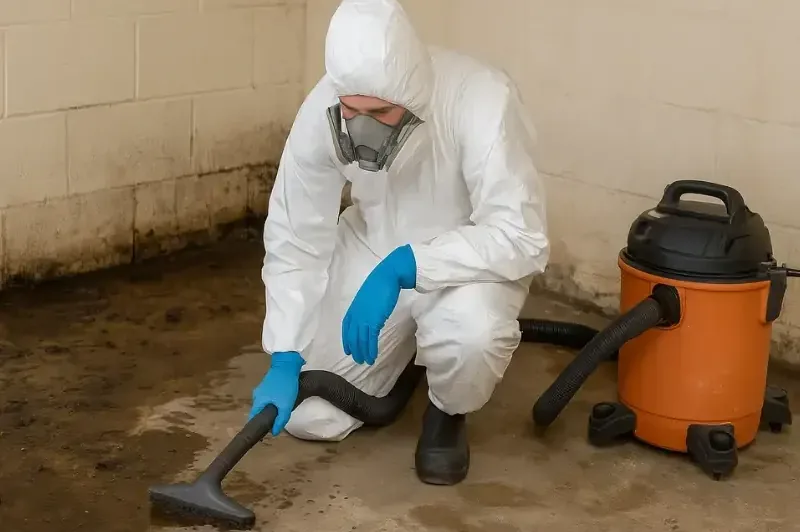
Cleanup of sewage contaminated water follows a set order. Sewage backup cleanup starts with containment so contaminated areas do not spread to clean rooms.
Standing water is removed, then wet materials, and then every hard surface is cleaned and disinfected.
Containment and removal
Walkways are protected so contamination is not tracked through the house. Contaminated waste is bagged and carried out in a controlled path.
Cleaning and disinfection
Floors, wall bases and framing are washed and treated with a disinfectant approved for the job.
Pores in wood and concrete are cleaned first, then treated, then dried.
- Hard surfaces get a wash and a disinfectant pass.
- Wood framing is cleaned and allowed to dry to a target reading.
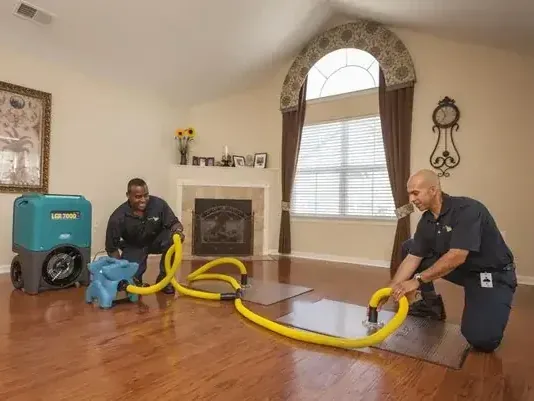
- Air is moved and dried to keep moisture from settling back.
Electricity, wells and what to avoid
In July 2015 Duke Energy assessed the flooded area and judged it safe not to shut off the electricity. A homeowner should not assume the same for their own house, because a flooded panel or outlet is still a hazard.
Health officials also advised residents with well water to avoid drinking it until flooding subsided, or to boil it if advised.
- Do not touch switches or outlets that sat in the water.
- Do not drink well water until officials say it is safe.
- Do not return to a flooded house until it is safe to enter.
Hard surfaces, contents and what can be saved
Not everything in a flooded house is lost. The question is whether a surface can be washed and disinfected all the way through.
Non porous items usually pass. Absorbent ones usually do not.
- Tile, sealed concrete and metal can usually be cleaned and disinfected.
- Solid wood framing is cleaned and dried rather than replaced.
- Kitchen items that touched floodwater are washed and sanitized or discarded.
- Books, cardboard and fabric that sat in the water are usually discarded.
Why speed matters after river flooding
Contaminated water sitting in walls and floors does not get cleaner with time. Bacteria multiply, odors set in and materials soften.
Starting removal as soon as it is safe to enter limits how far the contamination spreads, and a crew that handles water damage restoration for local homes can plan the order of work room by room.
Questions to ask before cleanup begins
River flooding is a stressful time to choose a contractor, so a few direct questions help.
The answers should be clear and written down.
- How is contaminated water handled and disposed of?
- Will containment keep clean rooms separate from affected rooms?
- How will drying be measured and shown?
- What records will be provided for an insurance claim?
Getting ready for the next rise
The river has risen more than once in recent memory, and Pasco County opened shelters, distributed sandbags and closed public schools before Milton.
A household plan makes the next event less chaotic.
It does not need to be long. It needs to be written, and everyone in the home should know it.
- Know the evacuation zone and the route out.
- Photograph the home and its contents while they are dry.
- Keep important papers and medicine in a waterproof bag.
- Save the contact details of the county emergency management office.
Returning home after the water drops
After the July 2015 flooding, county emergency management said it could take days for neighborhoods near the Anclote River to return to normal.
That wait is when water sits in carpet, walls and cabinets. A storm surge and flood cleanup team can start removal as soon as it is safe to enter, which cuts the time contamination has to spread.
Keeping photos of the waterline and damaged contents helps with any claim.
Questions
Is Anclote River floodwater safe?
No. In July 2015 the Florida Health Department in Pasco County warned residents to stay out of floodwater because of bacteria and sewage.
Why is carpet removed after river flooding?
Carpet and pad absorb contaminated water. They cannot be cleaned deeply enough, so they are removed.
Can I drink well water after a flood?
Health officials advised residents with well water to avoid drinking it until flooding subsided, or to boil it if advised.
How long do neighborhoods take to recover?
After the July 2015 flooding, county emergency management said it could take days for neighborhoods near the Anclote River to return to normal.
What does sewage cleanup involve?
Containment, removal of standing water and wet materials, cleaning and disinfection of hard surfaces, then drying until readings reach a dry standard.